 Try this styleon your selfie · free
The 70s Shag Revival: Feathered Layers for Modern Faces
Published October 8, 2026
The shag is back, but the 2020s version trades flat disco volume for soft, feathered layers that frame the face instead of swallowing it.
How the Modern Shag Differs From the Original
The classic 70s shag was all about height and a wide, rounded silhouette, heavily teased at the crown. The modern revival keeps the core idea, layers that get progressively shorter toward the top, but softens everything. Today's version uses feathered, blended layers rather than blunt disconnected ones, pairs with curtain or wispy bangs instead of a heavy fringe, and lets the shape fall closer to the head for a more wearable, 'cool but not costume' look. The result flatters modern faces because it adds movement and texture without the dated triangular volume. Think Stevie Nicks energy filtered through a lighter, more lived-in 2020s lens that works in an office and a festival alike.
Who Feathered Layers Flatter Most
Feathered layers are most flattering on medium to long hair with at least a little natural body. Fine hair benefits because feathering creates the illusion of fullness around the face, but it needs the layers kept longer to avoid wispy, see-through ends. Thick hair loves a shag because the layers remove weight and bulk, giving the hair somewhere to go. For face shapes: long and rectangular faces gain width and softness; square jaws are softened by feathering that starts at the cheekbone; round faces should start their shortest face-framing pieces just below the chin to elongate. Avoid a heavy shag if your hair is very fine and limp, since the layers can collapse rather than feather.
The Bang Question: Curtain vs Wispy
Bangs make or break a modern shag. Curtain bangs are the safest, most universally flattering choice: parted in the middle, longer at the sides, they blend seamlessly into the face-framing layers and grow out without an awkward stage. Wispy bangs sit a touch shorter and airier, great for adding a youthful, French-girl softness, but they need more frequent trims. Blunt bangs can work for a bolder, edgier shag, but they fight the soft feathered feeling, so most stylists steer the revival toward curtain or wispy. Whatever you choose, ask for the bang to connect to the first face-framing layer so the whole front reads as one continuous, flattering sweep rather than two separate cuts.
Styling for That Effortless Feathered Finish
The shag is meant to look undone, but 'undone' takes a little technique. Rough-dry to about 80 percent, then use a round brush or a flat brush to bend the layers, flicking the ends outward for that feathered flip. For the bangs, dry them side to side first to kill the cowlick, then split and sweep. A texture spray or a light dry texturizing mist gives the piecey separation the cut is known for. If you have natural wave, scrunch in a light mousse and diffuse, then break up the curls with your fingers. The goal is separation and movement, not sleekness, so resist the urge to brush it all smooth after styling.
Maintenance and Grow-Out Strategy
A shag is relatively low-maintenance for the cut itself because grown-out feathered layers just become a softer shag. The bangs are the part that needs attention: trim curtain bangs every 4 to 6 weeks, or learn to dust them yourself between salon visits. Plan a full layer refresh every 8 to 12 weeks to keep the feathering crisp. As it grows, you can transition a shag into a long layered cut or a wolf cut with minimal re-cutting. Tell your stylist if you want a grow-out-friendly version; they can keep the shortest layers longer so you are never stuck with a mullet-y middle phase that feels uneven.
Color That Makes the Layers Pop
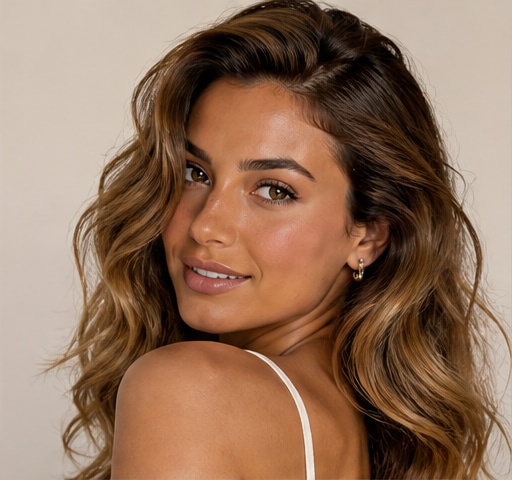
Feathered layers are a gift for dimensional color because the movement shows off every tonal shift. A soft balayage or face-framing highlights, slightly brighter around the face, make the layers look like they catch the light. Lived-in, low-maintenance color suits the lived-in cut, so root-shadowed blondes and melted brunettes pair beautifully and grow out without a harsh line. If you keep a single color, a glossy brunette or warm copper still reads rich because the layers create natural depth. Avoid super high-contrast chunky highlights, which can fight the soft feathering. The whole point of the revival is effortless cohesion, so let color and cut work together.
The quick checklist
- Choose curtain bangs for the most flattering, grow-out-friendly modern shag
- Connect the bang to the first face-framing layer for one continuous sweep
- Start face-framing pieces below the chin if your face is round
- Rough-dry to 80 percent, then flick ends outward for the feathered flip
- Use a light texture spray for piecey separation, not a smooth brush-out
- Trim bangs every 4 to 6 weeks; refresh full layers every 8 to 12
- Pair with soft balayage or face-framing highlights to show off movement
✦ Free to start✨ Try these looks on your own selfie with GlowMaxing →Upload one selfie and try any hairstyle, color or makeup look instantly with AI. Free to start.Download on theApp Store