Published December 27, 2025
Three red-hair families decoded, so you pick the one that flatters your skin and grows out gracefully.
The Quick Difference
Auburn, copper and ginger all live in the red family, but they sit at different points on the warmth and depth scale. Auburn is the deepest of the three, a red-brown that reads brunette in low light and glows red in the sun. Copper is brighter and more saturated, a metallic orange-red with high shine and real punch. Ginger is the lightest and most natural-looking, a soft strawberry-toned red that often comes with freckle-friendly, sun-kissed undertones.
Who Auburn Flatters
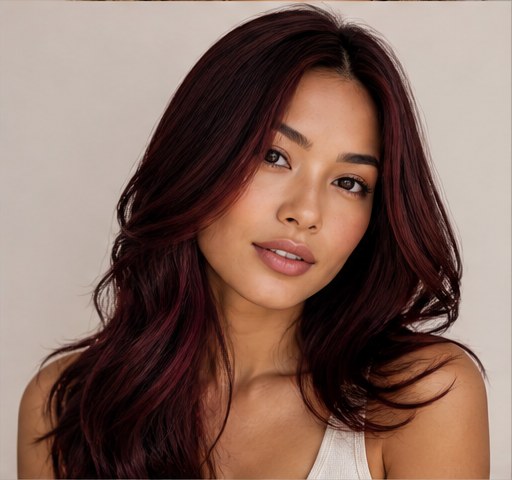
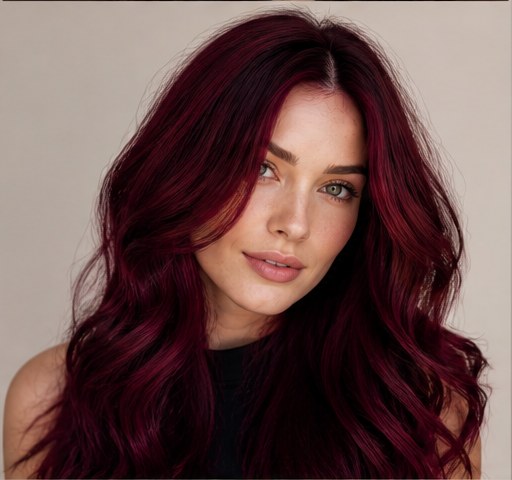
Auburn is the most universally wearable red because its brown base keeps it grounded and low-contrast against most complexions. It looks especially rich on olive and neutral skin tones, where the warmth lifts the face without clashing. Those with deep brown or near-black natural hair can reach auburn with far less lifting than copper or ginger, which means less damage. If you want red that still passes as professional, auburn is your safest entry point.
Who Copper Flatters
Copper is bold, so it rewards people who want to be seen and have the maintenance commitment to match. It is stunning on fair-to-medium skin with warm or peachy undertones, and it makes green and hazel eyes pop dramatically. Because copper is vivid and fades fastest, it suits anyone willing to use color-depositing conditioner weekly. Preview copper on your selfie in GlowMaxing first, it is a big jump from brown and the photo will tell you instantly whether the brightness works on you.
Who Ginger Flatters
Ginger is the gentlest, most lived-in red and pairs naturally with fair, freckled, or cool-pink skin. It mimics the way natural redheads occur, so it rarely looks dyed when done well. Strawberry and ginger tones soften the face and read youthful and fresh rather than dramatic. If you have very cool skin and worry warm reds will make you look flushed, a muted ginger or strawberry blonde-red is the most forgiving choice.
Maintenance Reality Check
Red molecules are the largest dye particles and the first to wash out, so all three fade faster than brown or blonde. Copper fades quickest and can go peachy or pale, auburn holds longest because of its brown anchor, and ginger fades softly into strawberry. Cool your water, cut back to two or three washes a week, and use a sulfate-free, color-safe shampoo. A red color-depositing mask once a week is the single best habit for keeping any of these alive.
Going Red Without Wrecking Your Hair
If you are starting from dark hair, auburn and deep copper need the least lifting and are kindest to your strands. Bright copper and ginger on dark bases require pre-lightening, which is where damage creeps in, so insist on a bond builder during the process. Going red from blonde is easier on the hair but trickier on tone, since blonde grabs color fast and can turn muddy. Whichever you choose, do a strand test and book a gloss refresh every four to six weeks.
Match It to Your Eyes and Brows
Reds interact heavily with eye color and brows, which is why some people look transformed and others look washed out. Green and hazel eyes are amplified by copper; blue eyes glow against auburn; brown eyes look warm and rich with ginger. Leave brows a touch cooler than your hair so your face still has definition, and never dye brows to match a bright copper. A tinted brow gel one or two shades softer keeps the whole look balanced.
The quick checklist
- Auburn for the deepest, most low-maintenance red
- Copper for maximum brightness and shine
- Ginger for the softest, most natural strawberry tone
- Wash in cool water two to three times a week
- Use a red color-depositing mask weekly
- Keep brows one shade cooler than your hair
 ✦ Free to start✨ Try these looks on your own selfie with GlowMaxing →Upload one selfie and try any hairstyle, color or makeup look instantly with AI. Free to start.Download on theApp Store