Published November 30, 2025
The drag-queen-born setting trick for crease-proof, photo-ready makeup and when to skip it.
What Baking Actually Is
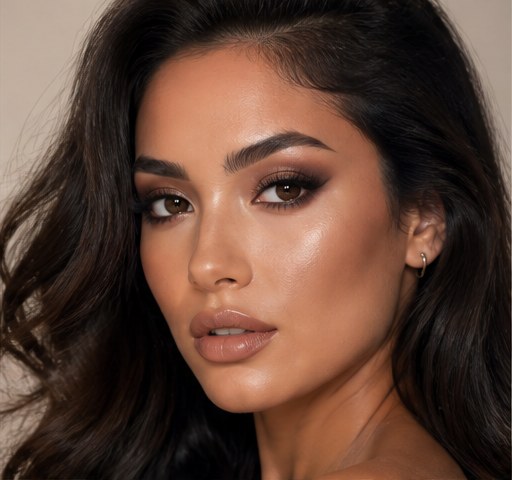
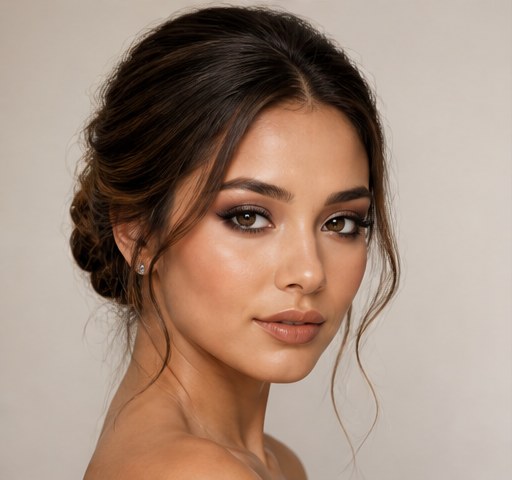
Baking is a technique borrowed from drag and stage makeup where you apply a thick layer of loose powder over concealer and let it sit, or bake, before dusting it away. The heat from your skin sets the makeup underneath into a smooth, crease-resistant finish during those few minutes. It originated where performers needed makeup to survive hot lights and hours of wear, which tells you exactly what it is good for. Done right, it locks concealer and brightens the high points of the face for a flawless, photo-ready look.
When Baking Is Worth It
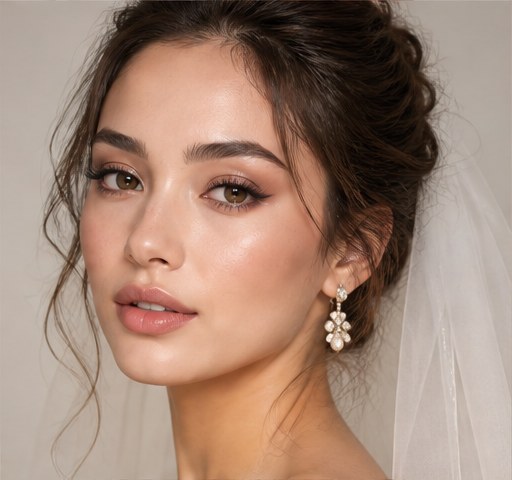
Baking shines for long events, photography, hot weather and oily skin, where you need makeup to stay put for hours without creasing. It is ideal for occasions like weddings, parties or shoots where you want crease-proof under-eyes and a matte, set finish. If your concealer normally migrates by midday, baking can be the fix that holds it in place. Think of it as a special-occasion or oily-skin tool rather than something to do every single morning.
When to Skip It
Baking is a poor choice for dry, mature or textured skin, where a thick layer of powder settles into fine lines and emphasizes them rather than smoothing. It can also look heavy and flat in everyday settings where a more natural, skin-like finish is the goal. If you are after dewy, fresh no-makeup makeup, baking works directly against that. Knowing when not to bake is as important as knowing how, this is a targeted technique, not a universal step.
How to Bake, Step by Step
Start with concealer applied and blended in the areas you want to set, typically under the eyes, the chin, the center of the forehead and the sides of the nose. Pick up a generous amount of finely milled translucent or skin-tone loose powder on a damp sponge and press it firmly onto those areas. Let it sit for five to ten minutes while you do your eyes or lips, giving body heat time to set everything. Then sweep the excess powder away with a large fluffy brush, leaving a smooth, set finish behind.
Avoiding a Cakey Result
The most common baking mistakes are using too much powder, leaving it on too long, or baking on dry skin all of which create a dry, cakey look. Use finely milled powder rather than a heavy one, and always start with well-hydrated skin underneath. After dusting off, a generous mist of setting spray melts any powdery texture back into the skin for a more natural finish. Adding blush and bronzer after baking, not before, prevents the powder from muting your color.
Test It Before the Big Day
Because baking changes how your makeup wears and photographs, do a trial run before an important event rather than experimenting on the day. Preview a polished glam look on your selfie in the GlowMaxing app to decide whether a fully set, matte finish suits the occasion and your skin. Check how it looks in photos, since baking is specifically designed to perform under a camera. A quick rehearsal tells you whether to bake the whole face, just the under-eyes, or skip it entirely.
The quick checklist
- Bake for long events, photos, heat and oily skin
- Skip it on dry, mature or textured skin
- Apply concealer first, then press damp powder over it
- Let it sit 5 to 10 minutes, then dust off the excess
- Use finely milled powder and mist setting spray after
- Do a trial run and check it in photos before the event
 ✦ Free to start✨ Try these looks on your own selfie with GlowMaxing →Upload one selfie and try any hairstyle, color or makeup look instantly with AI. Free to start.Download on theApp Store