
 Try this styleon your selfie · free
Beauty Sleep: How Rest Shows on Your Skin
Published October 10, 2025
Why quality sleep is the cheapest skincare you own, and how to make every night count.
Sleep Is When Skin Repairs
While you sleep, blood flow to the skin increases and cells go into repair mode, rebuilding collagen and clearing the day's damage. Growth hormone peaks in deep sleep, driving the renewal that keeps skin firm and bright. Cut that window short and the visible result is dullness, slower healing of blemishes, and a tired, flat complexion the next morning.
What Sleep Loss Looks Like
One bad night shows up as puffiness, darker under-eyes, and paler skin because circulation drops. Chronic short sleep does worse: more fine lines, slower barrier recovery, and higher cortisol that can trigger breakouts and dullness. Studies of poor sleepers consistently show more visible signs of aging, so rest genuinely competes with serums for impact on your face.
Manage the Cortisol Connection
Stress and short sleep raise cortisol, which breaks down collagen and ramps up oil production. That combination ages and congests skin at the same time. Winding down before bed, dimming lights, and keeping a consistent sleep schedule all help keep cortisol in check. Calmer nights show up as calmer, clearer skin within a week or two.
Make Your PM Routine Work Overnight
Night is the ideal time for active ingredients because skin is in repair mode and not facing sun or pollution. Cleanse thoroughly, apply your treatments such as retinoids or peptides, then seal with a moisturizer to support overnight repair. A richer cream or an occlusive slugging layer locks in moisture so you wake up plumper and smoother.
Sleep Position and Pillow Habits
Sleeping face-down presses and creases skin for hours, etching lines over time and trapping oil and bacteria from the pillow. Try sleeping on your back, and switch to a silk or satin pillowcase, which causes less friction and creasing than cotton. Wash pillowcases often, since they collect oil, product, and bacteria that can feed breakouts.
Build the Right Sleep Environment
Cool, dark, and slightly humid is ideal for both sleep quality and skin. A humidifier prevents overnight moisture loss in dry rooms. Avoid screens and heavy meals late, and keep caffeine to the morning. Seven to nine hours is the target; consistency in your bed and wake times matters as much as the total number of hours.
See the Payoff
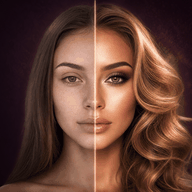
Rested skin looks plumper, more even, and noticeably brighter, the exact qualities a good night delivers for free. Preview a well-rested glow-up on your own selfie in the GlowMaxing app to see the goal, then use it as motivation to protect your sleep, because no filter rivals the look of skin that has actually had its repair time.
The quick checklist
- Aim for seven to nine hours on a consistent schedule
- Wind down with dim lights and no late screens
- Apply treatments and seal with moisturizer at night
- Sleep on your back to avoid creasing your face
- Switch to a silk or satin pillowcase and wash it often
- Keep the room cool, dark, and humidified
✦ Free to start✨ Try these looks on your own selfie with GlowMaxing →Upload one selfie and try any hairstyle, color or makeup look instantly with AI. Free to start.Download on theApp Store