 Try this styleon your selfie · free
The Best Hair Colors for Deep and Dark Skin Tones
Published June 29, 2026
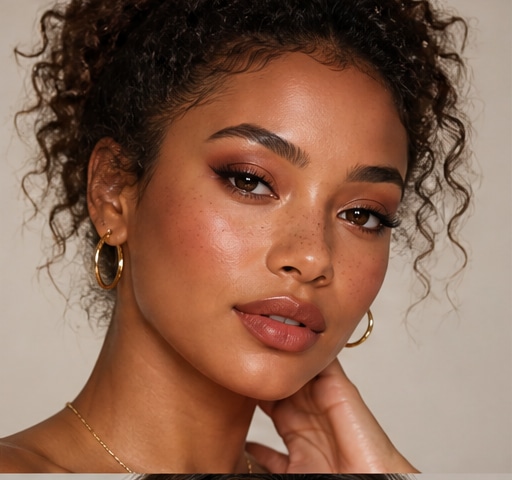
From jet black to honey caramel and bold burgundy, here's how to find the hair color that makes deep and dark skin absolutely glow.
Start by Finding Your Undertone
Before you pick a color, figure out your undertone, because it does most of the heavy lifting. Look at the veins on your inner wrist in natural light: blue or purple usually means cool undertones, green means warm, and a mix means neutral. Another quick test is gold versus silver jewelry, whichever makes your skin look brighter is your match. Deep and dark skin often has warm or rich neutral undertones, which is why golden, caramel, copper, and red-based colors tend to look incredible. Cool undertones, on the other hand, are flattered by espresso, blue-black, and cooler plum shades. Knowing this one thing keeps you from choosing a color that looks muddy or washes you out, and it makes every later decision about depth and brightness much easier.
Rich Browns and Caramels That Add Warmth
If you want something that reads natural but still turns heads, warm browns are the most flattering and forgiving place to start. Think chestnut, mahogany, and golden caramel, colors that have enough warmth to light up the face without fighting your skin. Caramel and honey highlights placed around the face are especially good because they bounce light onto your cheekbones, almost like a built-in highlighter. For everyday wear, a deep chocolate base with a few caramel ribbons gives dimension without high maintenance, and it grows out softly instead of leaving a harsh line. If your skin has cooler undertones, lean toward a neutral mocha or cool chestnut rather than a brassy gold so the brown stays rich and intentional rather than orange-tinged.
Bold Reds, Coppers, and Burgundy
Few combinations look as striking as deep skin with a saturated red. Copper, auburn, and burgundy bring out warmth in the complexion and read luxurious rather than loud. Warm undertones can go for fiery copper and ginger, while cooler or neutral undertones look stunning in cherry, wine, and blue-based burgundy that has a slightly plum lean. The key with reds is saturation, dark skin can carry a much deeper, more pigmented red than lighter complexions without looking washed out, so don't be shy about intensity. Reds do fade faster than most colors because the molecules are larger and rinse out quickly, so wash in cool water, use a color-safe sulfate-free shampoo, and stretch washes to two or three times a week to keep the tone vivid longer.
Jet Black, Espresso, and Blue-Black
Sometimes the most powerful choice is the deepest one. Jet black, espresso, and blue-black are timeless on deep and dark skin because the contrast makes skin look luminous and eyes pop. Blue-black in particular has a cool sheen that flatters cooler undertones and gives an almost editorial, glossy finish. If true black feels too flat against your face, soften it with a very dark brown a shade lighter around the hairline, or add subtle dimension so it catches light instead of looking solid. These shades are also the lowest maintenance on this list, since there's little to fade and roots blend easily. To keep that mirror shine, use a weekly gloss or a clear glaze treatment, which prevents the dreaded dull, dusty look that flat black can develop over time.
Going Lighter: Blonde and Honey Tones
Blonde absolutely works on deep skin, the trick is choosing the right depth and warmth rather than reaching for an icy platinum that can look ashy. Honey blonde, golden bronde, and warm caramel-blonde are the sweet spot because they keep enough warmth to harmonize with rich skin. If you want lightness without committing to full blonde, face-framing honey pieces or a bronde melt give brightness where it matters most while keeping a darker, lower-maintenance root. Lifting dark hair to blonde does require bleach and real care, so if your hair is natural and tightly coiled, go slowly and ideally see a colorist for the lift, then maintain at home. Want to see how honey blonde or copper reads on you before committing? Upload a selfie in GlowMaxing and preview the shade on your own face first.
Maintenance and Hair Health
Color is only as good as the condition of the hair carrying it, especially on textured and coily hair that's naturally drier. Any time you lighten, you open the cuticle and lose moisture, so build a routine around hydration: a sulfate-free shampoo, a weekly deep conditioner or mask, and a leave-in or oil to seal. Wash less often, every three to five days, to protect both moisture and color longevity. Heat styling on color-treated hair should always include a heat protectant and the lowest effective temperature. If you've gone significantly lighter, monthly bond-building treatments help repair the internal structure. And don't skip your trims, because color makes split ends far more visible. Healthy, shiny hair makes any shade look ten times more expensive than the dye itself ever cost.
The quick checklist
- Identify your undertone first using the vein or jewelry test before choosing any shade
- Warm browns and caramels are the most flattering low-risk starting point
- Saturate reds and burgundy deeply; dark skin carries high pigment beautifully
- Choose honey and golden blondes over icy platinum to avoid an ashy look
- Add a clear gloss or glaze to keep black and dark shades shiny, not dusty
- Wash with cool water and sulfate-free shampoo to slow fading
- Deep-condition weekly and trim regularly to keep color looking expensive
✦ Free to start✨ Try these looks on your own selfie with GlowMaxing →Upload one selfie and try any hairstyle, color or makeup look instantly with AI. Free to start.Download on theApp Store