 Try this styleon your selfie · free
Blending Grays Without Full Coverage
Published December 18, 2025
Soften and disguise grays with highlights and lowlights instead of chasing a hard root every three weeks.
Why Blending Beats Covering
Full gray coverage means a single solid dye over everything, which looks flat and leaves an obvious line of regrowth every few weeks. Blending instead weaves lighter and darker tones through your hair so grays become part of the dimension rather than something to hide. The result is softer, more natural, and far more forgiving as it grows out. For anyone tired of the relentless root touch-up cycle, blending is a liberating change.
How Highlights Hide Grays
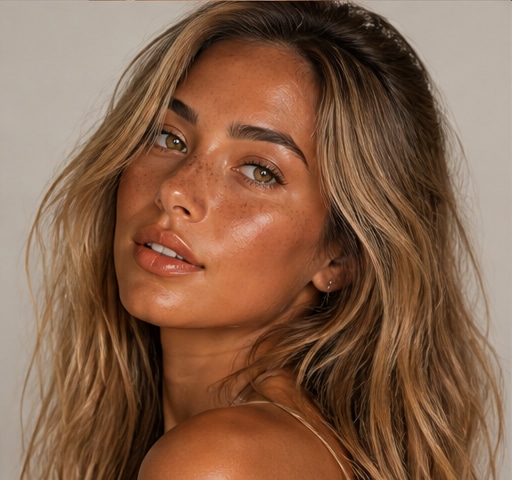
Strategically placed highlights camouflage grays by blurring the contrast between white strands and your base color. When the surrounding hair has lighter pieces, individual grays read as natural variation rather than standing out. Babylights and fine highlights are especially good at this because they are subtle and blended. As grays increase, more highlighting is woven in, so the transition stays seamless over the years.
The Role of Lowlights
Lowlights, which are darker pieces added back in, are the secret to making blended gray hair look rich rather than washed out. They restore depth that pure gray can lack and prevent the hair from looking too uniformly light. A mix of highlights and lowlights creates the dimension that makes grays disappear into a natural tapestry of tone. This balance is what separates a flattering blend from a flat, aging gray.
Going Salt and Pepper Gracefully
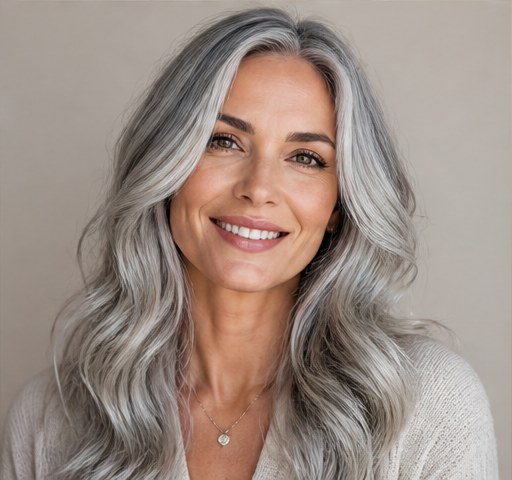
For those further along, blending can mean leaning into the gray rather than fighting it, easing toward a beautiful salt-and-pepper or silver. A colorist can blend your colored lengths with your natural silver roots using a soft transition rather than a hard grow-out. Toners keep the silver clean and free of yellow. Preview a soft silver or blended salt-and-pepper result on your selfie in GlowMaxing to see how embracing the gray could look on you.
Choosing Your Base and Tone
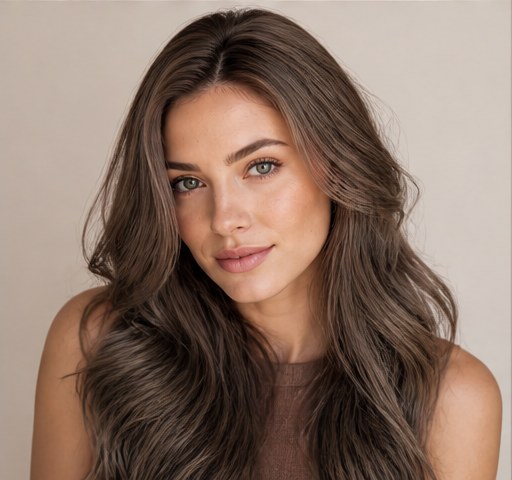
The flattering base depends on your natural color and skin tone. Cooler bases like mushroom and ashy brown blend gray most naturally, since gray itself is cool and warm dyes can clash with it. If you prefer warmth, your colorist can balance it carefully so grays do not turn brassy at the line. Matching the temperature of your blend to both your skin and your grays keeps everything harmonious.
Maintenance That Saves You Time
The whole point of blending is lower maintenance, and it delivers. Because there is no hard root line, you can stretch appointments to every two to three months instead of every three weeks. Use a sulfate-free color-safe shampoo, and a purple or silver shampoo if your blend leans cool, to keep tone clean. A gloss refresh between cuts revives shine and tone without a full color service.
Styling Blended Gray Hair
Dimensional, blended hair looks best with movement that shows off the woven tones. Soft waves and layers let the highlights and lowlights catch the light, while sleek styles can flatten the dimension. Keep hair hydrated and glossy, since gray and silver strands can be coarser and more prone to dullness. A shine serum and regular masks keep blended grays looking healthy and intentional.
The quick checklist
- Blend grays with highlights instead of solid dye
- Add lowlights for depth and dimension
- Cool bases like mushroom hide gray best
- Consider easing into silver salt-and-pepper
- Stretch appointments to every two to three months
- Use silver or purple shampoo to keep tone clean
✦ Free to start✨ Try these looks on your own selfie with GlowMaxing →Upload one selfie and try any hairstyle, color or makeup look instantly with AI. Free to start.Download on theApp Store