
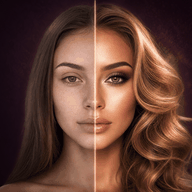
 Try this styleon your selfie · free
Can You Color Hair Over Henna? What You Need to Know
Published September 20, 2026
Coloring over henna is possible but tricky, because real henna bonds to your hair in ways regular dye and lightener don't always play nicely with.
Why Henna Behaves Differently
Henna isn't a typical hair dye. It's a plant-based stain from the lawsonia plant that binds to the keratin in your hair, coating and penetrating the strand and depositing a permanent reddish-orange tone. Unlike conventional color, it doesn't wash out or fade away meaningfully; it builds up with each application and becomes part of the hair's structure. That permanence is exactly why coloring over it is complicated. The henna layer can block conventional dye from depositing evenly and can resist lightener, leading to patchy, unexpected, or even alarming results. The single most important variable is whether you used pure, body-art-quality henna or a 'compound' henna that contains metallic salts or other additives. Pure henna is predictable. Compound henna is the real hazard, and it changes every piece of advice that follows in this article.
The Metallic Salt Danger
Some boxed or compound 'henna' products contain metallic salts, often used to create black or unusual shades. These are the genuine risk. When metallic salts meet the peroxide or ammonia in conventional permanent color or bleach, they can react, generating heat and unpredictable chemistry that may cause hair to smoke, melt, change to a strange color, or break off entirely. This is rare with pure body-art henna but very real with cheap compound products. If you have any doubt about what you applied, do a strand test before touching your whole head: snip a small hidden section, mix a little developer or bleach, apply it, and watch closely for heat, bubbling, odd smells, or color shifts over the next half hour. When in doubt, treat unknown henna as compound and consult a professional first.
Going Darker Is Usually Fine
The good news: if you want to go darker or add a richer brown or deeper red over pure henna, you're in the easiest scenario. Depositing color on top of henna generally works because you're adding pigment rather than trying to remove it, so the chemistry is far gentler and the risk of dramatic mishaps is low. Choose a permanent or demi-permanent shade in a brown or auburn family that works with henna's warm undertone rather than fighting it; ashy or cool browns can turn muddy or green over the orange-red base. Expect the henna's warmth to peek through, especially in sunlight, and lean into it. Always strand test first, even when going darker, because henna build-up can grab color unevenly. This is the safest way to transition out of vibrant henna while you grow it out.
Going Lighter Is the Hard Part
Lifting color out of henna-treated hair is where people get stuck. Henna resists lightener, so bleach often struggles to penetrate evenly and can leave brassy orange or uneven patches, sometimes requiring multiple gentle sessions spaced weeks apart. This is professional territory, not a same-day DIY project. A colorist may use specialized henna-removal treatments or a series of light bleach passes with bond-building products to protect the hair, and even then results vary depending on how many henna layers have accumulated. The more times you've applied henna, the more stubborn it is. Realistically, fully escaping a vibrant henna red and going blonde can take months and significant cost. The most damage-free path is often patience: let it grow, do gentle gloss adjustments, and trim up rather than blast it all out at once.
Smart Steps Before You Color
Start by identifying your henna honestly. Pure body-art henna lists only lawsonia or similar plant ingredients; anything claiming jet-black, lasting blue-black, or 'instant' shades likely contains additives. If you can't confirm, assume the worst and strand test. Then preview realistically: henna's existing tone affects how any new color lands, so it helps to see your goal against your current base. You can upload a selfie to GlowMaxing and visualize a darker brown or auburn over your current red before you commit money or risk to it. Book a professional consultation for any lightening, bring details about every henna application you remember, and ask specifically whether they've worked over henna before. Most importantly, never apply bleach to questionable henna without a strand test. A cautious hour now prevents a genuine hair emergency later.
Managing Expectations and Aftercare
Transitioning off henna is a process, not a single appointment, and accepting that upfront saves a lot of frustration. Whatever direction you go, henna-treated hair can be drier and more porous, so prioritize hydration: weekly deep-conditioning masks, gentle sulfate-free cleansing, and minimal heat while your hair recovers. If you went darker, refresh with a gloss every few weeks to keep the tone consistent as the underlying warmth shifts. If you're growing it out, regular trims remove the most saturated, brittle ends fastest. Avoid stacking new chemical treatments close together; give your hair weeks to rebound between sessions. And resist the urge to re-henna 'just to even it out' if you're trying to leave it, because each layer makes future coloring harder. Slow, steady, and well-conditioned is the winning strategy here.
The quick checklist
- Identify whether you used pure henna or compound henna with metallic salts
- Always strand test before applying any dye or bleach over henna
- Going darker over pure henna is the lowest-risk transition
- Lifting or going lighter usually requires a professional
- Avoid cool or ashy browns that can turn muddy over henna's warmth
- Expect multiple gentle sessions, not one, to escape vibrant henna
- Keep henna hair hydrated with weekly masks and gentle washing
- Stop applying new henna if you want to color over it later
✦ Free to start✨ Try these looks on your own selfie with GlowMaxing →Upload one selfie and try any hairstyle, color or makeup look instantly with AI. Free to start.Download on theApp Store