 Try this styleon your selfie · free
Color Melting for Seamless Dimension
Published January 4, 2026
The blended-color technique that makes every shade flow into the next with zero hard lines.
What Color Melting Means
Color melting is the art of blending two or more shades so they transition into one another without any visible line where one stops and the next begins. Rather than placing distinct highlights or a hard ombre, the colorist overlaps each shade into the one above and below it, creating a gradient that flows. The classic example is a dark root that melts into a caramel mid-length that melts into a bright blonde end. It's a finishing and blending philosophy as much as a single technique. Done well, it looks like your hair naturally fades from one tone to the next.
How It Differs From Ombre and Balayage
Ombre is a two-tone gradient with a fairly defined transition zone, while balayage refers to the freehand painting method itself. Color melting is the seamless blending applied on top of either, smoothing any harshness between shades. You can balayage your hair and then color-melt the result for an extra-soft finish. Where ombre can have a noticeable horizontal band of change, a melt erases that band entirely. Think of color melting as the technique that makes multi-tonal color look effortless rather than sectioned.
The Process Step by Step
A colorist typically starts with the base or root shade, then introduces a mid-tone that overlaps slightly into the root color before it's fully rinsed. The lightest shade is painted on the ends, again overlapping into the mid-tone so the edges blur. Timing and overlap are everything, the secret is in feathering each application into the next while the color is still processing. Some colorists comb or smudge the boundaries together to encourage the blend. The result is a continuous flow of color that catches light and reads as dimensional from every angle.
Who Should Try It
Color melting flatters virtually every hair length and texture because the gradient adds movement and depth. It's perfect for people who love dimensional color but hate obvious regrowth or stripey grow-out. It suits brunettes wanting caramel and honey melts, blondes wanting a soft rooted finish, and anyone with bold fantasy colors who wants their shades to flow rather than clash. Longer hair shows off the gradient most dramatically, but even a lob can carry a subtle melt. Preview a melt on your selfie in GlowMaxing to test how warm or cool you want the transition before committing in the chair.
Color Combinations That Work
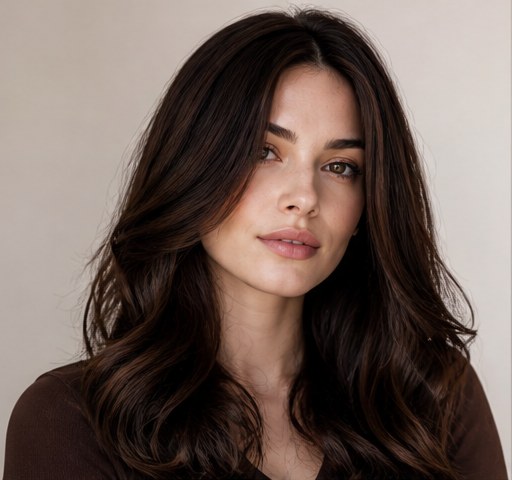
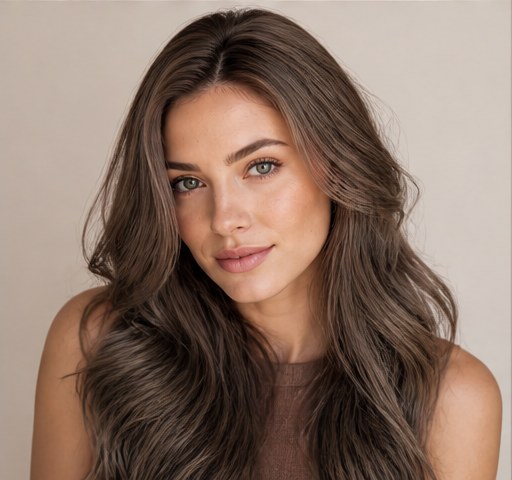
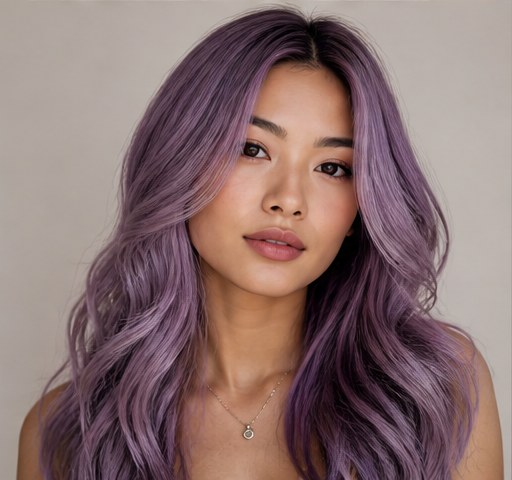
Natural melts pair a deep brown root with caramel and honey ends for a sun-warmed effect. Cooler combinations might melt espresso into mushroom brown into ash blonde for a modern, smoky finish. Fantasy melts can blend lilac into pink into peach, or teal into blue into seafoam, for a mermaid-like flow. The key is choosing shades that share an undertone family so they don't muddy where they overlap. A good colorist will swatch the transition shades against your skin so the whole melt complements your complexion.
Maintenance and Longevity
Because color melting blends the root, regrowth is forgiving and salon visits can stretch to twelve weeks or more for natural tones. Fantasy melts fade faster and need gloss refreshes every few weeks to stay vibrant. Use color-safe, sulfate-free shampoo and cool water to preserve the tonal balance across the gradient. A weekly bond-building or moisture mask keeps lightened ends healthy so the melt stays glossy. When the brightness fades, an at-home or salon gloss revives the whole blend without a full re-color.
Common Mistakes to Avoid
The most frequent error is choosing shades that are too far apart in tone, which creates a stripe instead of a melt. Overlapping too little leaves a visible line; overlapping too much can turn the whole head muddy. Skipping the root shade altogether can make the melt look like grown-out highlights rather than intentional dimension. At home, harsh clarifying shampoos and very hot water strip the gloss and break the blend. If you're attempting any version at home, work with subtle, adjacent shades and blend generously, but for a true seamless melt a professional's timing is hard to beat.
The quick checklist
- Color melting blends shades with no visible transition line
- Choose tones from the same undertone family to avoid muddiness
- Overlap each shade into the next while color processes
- Forgiving regrowth means salon visits stretch to twelve weeks
- Refresh fantasy melts with a gloss every few weeks
- Preview warm vs cool melts on your selfie first
✦ Free to start✨ Try these looks on your own selfie with GlowMaxing →Upload one selfie and try any hairstyle, color or makeup look instantly with AI. Free to start.Download on theApp Store