 Try this styleon your selfie · free
Dewy vs Matte: Choosing Your Finish
Published November 22, 2025
How to pick the base finish that flatters your skin type, your lighting, and the look you want.
What Finish Really Means
The finish of your base is how light reflects off your skin once your foundation and powder are set. A dewy finish reflects light and looks hydrated, fresh, and glowy, while a matte finish absorbs light for a velvety, shine-free surface. Most people fall somewhere in between with a satin finish that has glow without looking wet. Understanding finish helps you build a base that suits your skin instead of fighting it all day.
When Dewy Works Best
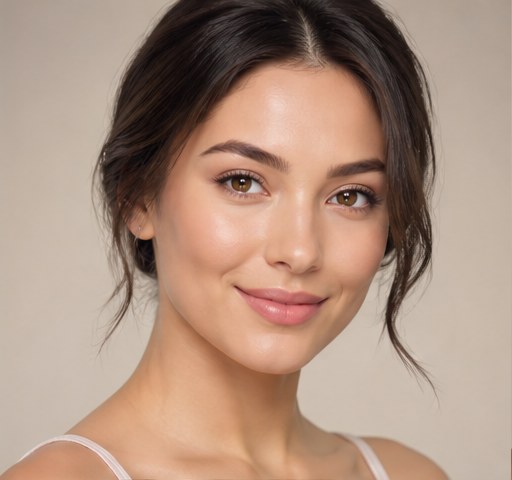
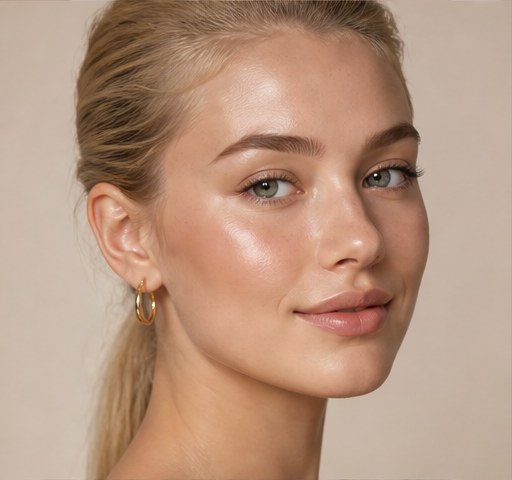
Dewy finishes flatter dry, mature, and dull skin because the light reflection makes skin look plump and healthy. They photograph beautifully in soft and natural light, which is why dewy is the go-to for that lit-from-within editorial glow. If your skin tends to look flat or tired, a dewy base instantly adds life. The trade-off is that dewy bases can slide on very oily skin and may read as shiny rather than glowy under harsh light.
When Matte Wins
Matte finishes are ideal for oily and acne-prone skin because they control shine and tend to last longer through heat and humidity. They give a polished, airbrushed look that holds up under bright lights and in photos with flash. Matte is also the safer choice for long events where you can't touch up frequently. The downside is that matte can emphasise dry patches and fine lines, so skin prep and hydration underneath become non-negotiable.
Matching Finish to Your Skin Type
Oily skin generally does best with a matte or natural finish and targeted setting powder in the T-zone. Dry skin thrives in dewy or satin formulas with minimal powder and plenty of hydration underneath. Combination skin can mix the two: a matte base in the oily centre and a dewy product or skipped powder on drier cheeks. Normal skin has the freedom to choose based purely on the look you want that day.
Building Each Finish on Purpose
For a lasting dewy look, hydrate well, use a luminous primer, apply a glow foundation, and set only where you need it, then add liquid highlighter on the high points. For a clean matte look, use a mattifying primer, a matte or natural foundation, and set thoroughly with a finely milled powder. The trick to a non-flat matte is to add the tiniest touch of cream blush or highlighter so the skin still has dimension. You can also blend the two by going matte in the centre and dewy on the cheekbones for a lifted effect.
Fixing a Finish That Goes Wrong
If a dewy base turns greasy, press a translucent powder onto the shiny zones with a puff rather than buffing, which preserves the glow elsewhere. If a matte base looks dry or cakey, mist with a hydrating setting spray and gently press with damp hands to revive it. A face mist or a dab of facial oil on the cheekbones can rescue a too-flat matte instantly. Keeping blotting papers and a small powder on hand lets you adjust your finish on the go.
Choosing for the Occasion
For everyday wear, a natural satin finish is the most forgiving and flattering middle ground. Choose dewy for date nights, brunches, and soft-light photos where glow reads as fresh and youthful. Choose matte for long workdays, hot weather, weddings, and any setting with strong overhead or flash lighting. Try both finishes on your selfie in GlowMaxing to see how each reads on your skin before deciding which to wear.
The quick checklist
- Dewy suits dry and mature skin; matte suits oily skin
- Hydrate well before any dewy base to avoid greasiness
- Set matte bases thoroughly but add cream blush for dimension
- Combination skin can go matte in the centre, dewy on cheeks
- Press, don't buff, powder over a dewy base to keep glow
- Pick dewy for soft light, matte for flash and long events
✦ Free to start✨ Try these looks on your own selfie with GlowMaxing →Upload one selfie and try any hairstyle, color or makeup look instantly with AI. Free to start.Download on theApp Store