 Try this styleon your selfie · free
Diet and Skin: What Actually Matters
Published October 9, 2025
Sorting the evidence-backed food habits for clear skin from the myths that waste your money.
Skin Reflects What You Eat, Partly
Food is not the whole story for skin, but it is a real input. Genetics, sleep, hormones, and skincare all matter too, so no diet erases every flaw. Still, the patterns are consistent: blood sugar, certain fats, and overall nutrient quality measurably affect breakouts, inflammation, and glow. Think of diet as one reliable lever among several, not a magic cure.
The Blood Sugar Connection
High-glycemic foods like sugar, white bread, and sweet drinks spike insulin, which can increase oil production and inflammation linked to acne. Swapping refined carbs for whole grains, beans, and vegetables steadies blood sugar and often calms breakouts over a few weeks. This is one of the best-supported diet-and-skin links, so it is worth trying before exotic supplements.
Dairy and Breakouts
Research suggests some people, especially those prone to acne, see more breakouts with high dairy intake, particularly skim milk. The effect is individual and not universal, so it is not a reason for everyone to quit dairy. If your skin is stubbornly congested, try reducing milk for four to six weeks and watch what happens before deciding.
Fats That Help
Omega-3 fats from oily fish, walnuts, and flax are anti-inflammatory and support the skin barrier, which can mean calmer, less red skin. Healthy fats from avocado and olive oil help skin stay supple. Conversely, diets heavy in fried and processed fats tend to promote inflammation. Balance matters more than any single superfood you add to a smoothie.
Antioxidants and Hydration
Colorful fruits and vegetables deliver vitamins C and E and other antioxidants that protect skin from daily damage and support collagen. Water and water-rich foods keep skin hydrated from within, though topical care still does the surface work. A varied, plant-forward plate beats any single pricey antioxidant pill for steady, visible benefits.
What to Ignore
Most viral skin diets and detox teas are not supported by evidence and can stress your body or wallet. Collagen drinks have mixed, modest data at best. You do not need to eliminate entire food groups unless you have a real intolerance. Sustainable, balanced eating beats dramatic restriction, which often backfires on both mood and skin.
Track the Visible Change
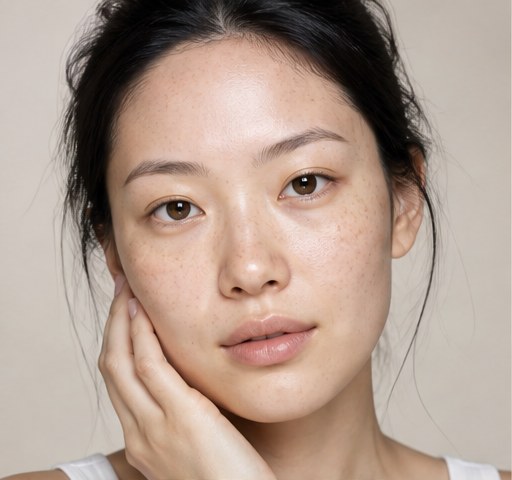
Diet changes show up slowly, so document your starting point. Take a clear, no-makeup selfie now and another in a month, and preview a glowy fresh-faced result in the GlowMaxing app as a target. Comparing real photos over time is the honest way to tell whether a food change is actually helping your skin or not.
The quick checklist
- Cut refined sugar and white carbs to steady blood sugar
- Test reducing dairy for a month if acne is stubborn
- Eat oily fish, walnuts, or flax for omega-3s
- Fill half your plate with colorful produce
- Skip detox teas and most viral skin diets
- Compare monthly selfies to judge real progress
✦ Free to start✨ Try these looks on your own selfie with GlowMaxing →Upload one selfie and try any hairstyle, color or makeup look instantly with AI. Free to start.Download on theApp Store