 Try this styleon your selfie · free
Everyday Makeup Routine for Oily Skin That Stays Matte
Published October 3, 2026
A realistic, layer-by-layer everyday routine that keeps oily skin shine-free from morning coffee to evening commute without looking flat or cakey.
Prep Is Ninety Percent of the Battle
If your makeup slides off by noon, the fix usually happens before foundation ever touches your face. Start with a gentle, non-stripping cleanser, because over-cleansing triggers your skin to pump out even more oil. Follow with a lightweight, oil-free gel moisturizer; skipping moisturizer entirely backfires and makes oily skin overcompensate. Wait two or three minutes for it to absorb fully. Then apply a mattifying, pore-blurring primer, concentrating on the T-zone, nose, and chin where shine starts first. Look for primers that mention oil control or shine control rather than dewy or luminous. This prep layer creates a grippy, balanced canvas so your foundation has something to hold onto. Rushing this stage is the single most common reason oily-skin makeup breaks down, so give each layer a moment to set before moving on.
Choosing and Applying the Right Base
Reach for a foundation labeled matte, oil-free, or long-wear, and apply it sparingly, because heavy layers actually break down faster on oily skin. A thin, even coat lasts longer than a thick one. Use a damp sponge or a dense buffing brush and build coverage only where you need it, leaving the skin to breathe elsewhere. If you prefer a lighter feel, a good matte tinted moisturizer or skin tint over primer often outlasts a heavy full-coverage foundation simply because there's less product to slide. Avoid anything described as radiant, glowing, or dewy for daytime, since those finishes read as oily by midday on already-oily skin. Concealer goes on after foundation, only on spots and under-eyes, and a little goes a long way. The mantra for oily skin is always thin, even, and targeted.
The Setting Technique That Actually Holds
Setting is where matte longevity is won. After your base, use a finely milled translucent setting powder and apply it with a fluffy brush across the whole face, pressing rather than sweeping into the oiliest zones. For all-day wear, try baking lightly on the T-zone: press a generous layer of powder, let it sit two minutes while you do your eyes, then dust off the excess. This locks the area down for hours. Finish with a mattifying setting spray held at arm's length, which fuses the powder and base together so they don't separate as oil rises. Avoid the temptation to over-powder everywhere, though, because too much powder on cheeks looks flat and cakey and can emphasize texture. Concentrate the heaviest setting where you get shiniest and keep the rest lighter for a natural finish.
Long-Wear Color and Smudge-Proofing
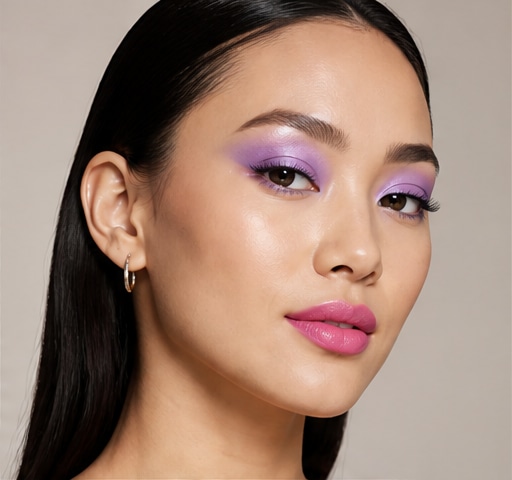
Oily lids eat eyeshadow and smudge liner, so prime your eyelids with a dedicated eye primer or a thin layer of concealer set with powder before any color. Choose long-wear or waterproof formulas for liner and mascara, since regular versions transfer onto oily lids by lunchtime. Powder blush sits better than cream on oily skin and resists fading, so dust it on after setting your base. For lips, a transfer-resistant matte or a stain lasts far longer than a creamy lipstick that needs constant reapplication. Throughout, the theme is powder and long-wear over cream and dewy. If you want to experiment with everyday color combinations and matte finishes before committing, you can preview different looks on your own selfie with GlowMaxing to see what flatters you. These small formula swaps add hours of wear without any extra effort.
Midday Touch-Ups Without Cake
Even a perfect routine needs a small reset by afternoon, but the way you touch up matters. Never pile fresh powder onto oil, because that's exactly how cakey, patchy buildup forms. Instead, keep blotting papers or a clean tissue in your bag and gently press them onto the shiny T-zone first to lift excess oil. Only after blotting should you add the tiniest dusting of powder, and only where you blotted. This two-step blot-then-powder method keeps the finish thin and fresh rather than thick and gritty. A travel-size mattifying mist can also revive the whole face in one spritz. The entire touch-up should take under a minute and use the smallest amount of product possible. Done this way, your makeup looks freshly applied at six o'clock rather than caked over a day of oil.
Skincare Habits That Reduce Oil Long-Term
Makeup longevity improves dramatically when you address oil at the source. Incorporate a gentle exfoliant with salicylic acid a few times a week to keep pores clear and reduce the surface oil makeup struggles against. A lightweight, oil-free moisturizer used consistently actually trains skin to produce less oil than aggressive drying products, which only provoke more. Avoid heavy, occlusive creams under makeup. Stay hydrated and don't touch your face throughout the day, since fingers transfer oil and break down your base. Over weeks, balanced skincare means you need less mattifying product and your everyday makeup naturally lasts longer. Think of skincare and makeup as one system: the calmer and more balanced your skin is underneath, the less work your foundation, powder, and setting spray have to do to keep you matte.
The quick checklist
- Always moisturize with an oil-free gel before primer
- Use a mattifying primer focused on the T-zone
- Apply foundation thin and even, not thick
- Bake the T-zone with translucent powder for hours of wear
- Choose long-wear or waterproof eye and lip formulas
- Blot first, then powder lightly for touch-ups
- Carry blotting papers instead of piling on more powder
- Exfoliate with salicylic acid weekly to control oil at the source
✦ Free to start✨ Try these looks on your own selfie with GlowMaxing →Upload one selfie and try any hairstyle, color or makeup look instantly with AI. Free to start.Download on theApp Store