 Try this styleon your selfie · free
Fishtail Braid: The Step-by-Step
Published January 29, 2026
The intricate-looking braid that only uses two strands and one repeating motion.
Why the Fishtail Looks Harder Than It Is
A fishtail braid looks like an intricate herringbone weave, but it only ever uses two sections of hair and one repeating move. Unlike a classic braid, you never juggle three strands, which makes it surprisingly beginner-friendly once the rhythm clicks. The detailed texture comes from how thin the crossed-over pieces are, not from any complicated technique. Set aside ten minutes to practice and the motion becomes automatic fast.
The Basic Two-Strand Method
Start by dividing all your hair into two equal sections at the nape. Take a small piece from the outer edge of the left section, cross it over to join the right section, then take a small piece from the outer edge of the right and cross it to the left. Keep alternating sides, always pulling from the outside edge inward. That single back-and-forth motion, repeated all the way down, is the entire braid.
Thin Pieces vs Chunky Pieces
The thickness of the pieces you cross over completely changes the result. Thin sections create that fine, intricate, woven herringbone pattern that looks elaborate and refined. Thicker sections make a looser, faster, more relaxed braid that suits boho and festival looks. Decide your vibe before you start, and keep the piece size consistent throughout for the cleanest finish.
Starting From a Ponytail
If holding all your hair while braiding feels awkward, start from a low ponytail. Secure hair with an elastic, split the tail into two, and fishtail down from there, then snip the top elastic away at the end if you want a seamless look. This is the easiest way for beginners to learn the motion without losing control of the sections. Once comfortable, you can graduate to braiding straight from loose hair or even a French-fishtail hybrid along the scalp.
Making It Look Full and Soft
A tight fishtail can look thin and severe, so loosen it once you finish. Gently tug the outer edges of the braid to pull each woven section wider, working from top to bottom. This adds volume, softens the look and makes the braid appear thicker and more romantic. It also disguises any uneven sections, so it is the perfect fix for early attempts.
Holding the Style in Place
Fishtails grip best on day-old or texture-sprayed hair, since clean strands slip apart. Mist dry hair with texture spray before you start, or work a little dry shampoo through the lengths for grip. Secure the end with a clear elastic, and a light hairspray over the finished braid keeps stray pieces in line. Pulling it loose for fullness, as in the previous step, also helps lock the weave so it lasts the whole day.
Ways to Wear It
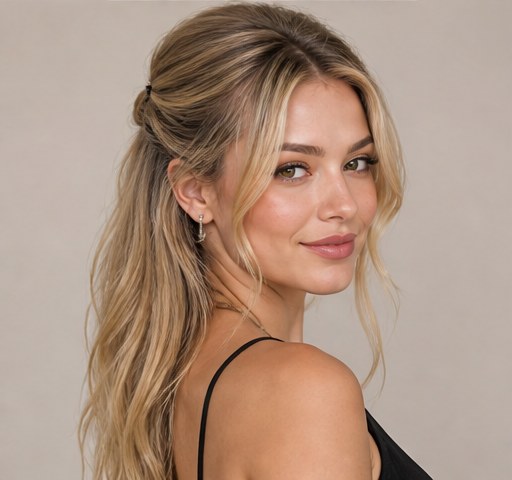
Once you have the technique, the fishtail adapts to countless looks. Wear it as a single side braid over one shoulder for a romantic, undone feel, or pin it into an updo for a wedding or formal event. A fishtailed crown braid or a half-up fishtail frames the face beautifully. Preview a few placements on your selfie in GlowMaxing to see which suits your face shape and occasion before you style for real.
The quick checklist
- Split hair into two sections, not three
- Cross thin outer pieces over, alternating sides
- Keep piece size consistent for a clean weave
- Start from a ponytail if you are a beginner
- Tug the edges loose for fullness and softness
- Braid day-old hair and finish with light hairspray
✦ Free to start✨ Try these looks on your own selfie with GlowMaxing →Upload one selfie and try any hairstyle, color or makeup look instantly with AI. Free to start.Download on theApp Store