 Try this styleon your selfie · free
Glaze and Gloss: What's the Difference
Published December 15, 2025
Two shine-boosting treatments, slightly different jobs — here's when to reach for each.
The Short Answer
Glaze and gloss both add shine and refresh tone, but they differ in strength and longevity. A glaze is typically a temporary, conditioning, ammonia- and peroxide-free treatment that coats the hair to boost shine and lasts one to two weeks. A gloss is usually a demi-permanent, slightly stronger formula that can deposit a hint of tone, neutralise brass, and last four to six weeks. In short: glaze is a quick shine top-coat, gloss is a longer-lasting tone-and-shine treatment.
What a Glaze Does for Hair
A glaze works almost like a clear nail top-coat for your strands, sealing the cuticle so light reflects evenly and hair looks glassy. Clear glazes add pure shine to any colour without changing it, while tinted glazes can refresh fading colour or knock back mild brassiness for a week or two. They're gentle enough to use frequently and great before an event when you want instant gloss. Because they sit on the surface, they fade out cleanly with no harsh line.
What a Gloss Adds
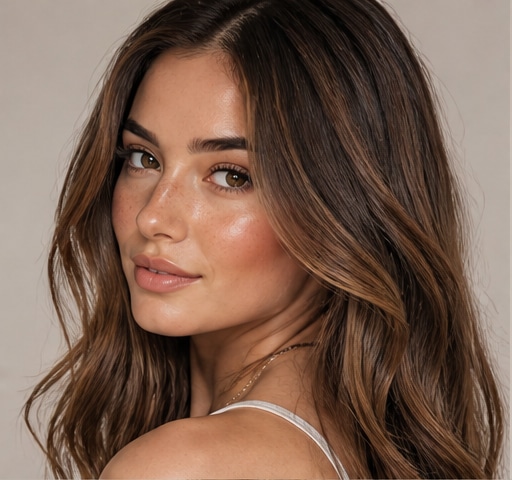
A gloss penetrates slightly more thanks to a low-volume developer, which lets it deposit subtle tone and last considerably longer. Use a gloss to deepen faded brunette, add warmth to flat colour, cool down brassy blonde, or simply make virgin hair look richer and more expensive. It won't lighten hair — it only deposits or neutralises — but that controlled tone work is exactly what makes salon colour look polished. Many colourists finish every appointment with a gloss for that signature glassy result.
Choosing Between Them
Reach for a glaze when you want fast, no-commitment shine — think pre-wedding, pre-photoshoot, or a mid-cycle pick-me-up. Reach for a gloss when your colour has gone dull, brassy, or faded and you want a real four-to-six-week tone refresh. If you colour your hair, a gloss between full appointments stretches your salon visits and keeps tone true. If your colour is fine and you just crave shine, a glaze is cheaper, faster, and easier to maintain at home.
At-Home vs Salon
Both come in at-home versions, and clear glazes and gentle tinted glosses are quite forgiving for DIY — apply to clean damp hair, leave for the stated time, and rinse. The risks come with tinted formulas: leave a cool gloss on too long and you can over-deposit ash or violet, leaving hair muddy. For precise tone correction, going darker, or balancing multi-tonal colour, a salon gloss is worth it because the colourist customises the shade. Preview the finished tone on your selfie in GlowMaxing so your at-home result matches your expectation.
Protecting the Result
Glaze and gloss both fade with washing, so the same habits that protect colour protect them: wash less often, use lukewarm water, and choose a sulfate-free, colour-safe shampoo. A weekly hydrating mask keeps the cuticle smooth so shine lasts, and a heat protectant prevents dulling from hot tools. Hard water and chlorine are the enemies of glossy hair, so a clarifying treatment now and then resets buildup before you re-gloss. Expect to refresh a glaze every week or two and a gloss roughly monthly.
Who Benefits Most
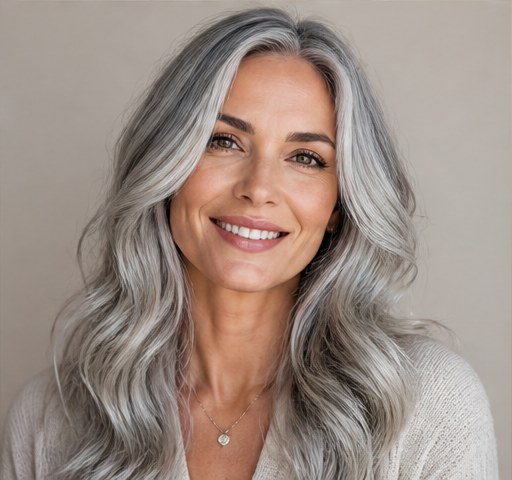
Glosses and glazes flatter virtually everyone, but they shine brightest on dull, porous, or colour-treated hair that's lost its lustre. Brunettes get the most dramatic 'liquid' shine from a clear or matching-tone gloss, blondes use cool glosses to stay icy, and greys can use a silver gloss to keep tone clean. Even those who never colour their hair can use a clear glaze for healthy, expensive-looking shine. It's one of the lowest-risk, highest-reward things you can do for your colour.
The quick checklist
- Glaze = quick shine, lasts 1–2 weeks
- Gloss = tone + shine, lasts 4–6 weeks
- Use clear formulas for shine, tinted for tone
- Don't over-process tinted glosses or you'll go muddy
- Wash cool and sulfate-free to extend the result
- Clarify buildup before re-glossing for best shine
✦ Free to start✨ Try these looks on your own selfie with GlowMaxing →Upload one selfie and try any hairstyle, color or makeup look instantly with AI. Free to start.Download on theApp Store