Published July 16, 2026
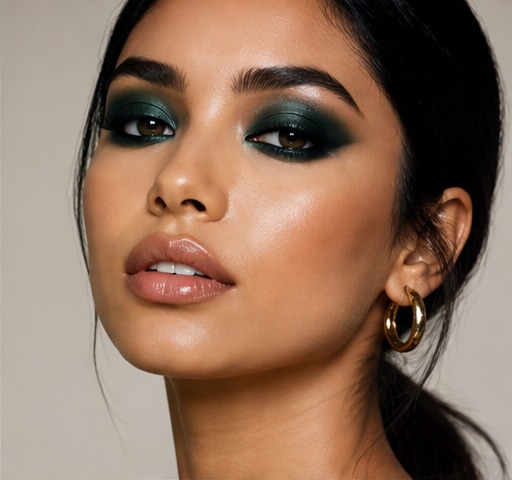
Glazed donut blonde is creamy, warm, and finished with a high-shine glaze that makes it look almost wet with light.
What Glazed Donut Blonde Means
Glazed donut blonde takes its name from that translucent, sugary sheen on a fresh glazed donut, and the comparison is surprisingly literal. It's a creamy, warm-leaning blonde finished with a high-shine glaze so reflective the hair looks almost wet with light. The look is a deliberate rejection of flat, matte platinum in favor of buttery, dimensional warmth and a glass-like finish. What sets it apart from ordinary blonde is that the shine is the whole point: the glossing step matters as much as the lightening. The base tends toward soft golden, beige, and honey rather than icy white, which keeps it flattering and modern. It belongs to a broader 2026 shift toward warmth and reflectivity over brightness and contrast, and it's become a feed favorite precisely because that wet, glazed sheen reads as healthy and expensive.
The Glaze Is the Secret
The defining feature isn't the blonde, it's the glaze on top of it. A glaze, or gloss, is a translucent, often demi-permanent treatment that deposits sheer tone and seals the cuticle, dramatically boosting shine while smoothing porosity so light reflects evenly. For glazed donut blonde, a clear or warm gold-tinted glaze adds that signature creamy luminosity and knocks out any unwanted brassiness or unevenness from lightening. Without this step you just have ordinary blonde; with it, you get the wet, glassy finish that names the trend. The glaze also makes the color look more expensive because it unifies tone and makes even slightly damaged hair appear healthier. It's temporary, lasting a few weeks, which is exactly why glazing has become a beloved maintenance ritual rather than a one-time event. Many fans now glaze at home between salon visits to keep the shine alive.
Who It Suits and How Warm to Go
Because glazed donut blonde leans warm and creamy rather than icy, it flatters a broader range of people than stark platinum ever did. Warm and neutral undertones look gorgeous in its golden, honey-beige register, glowing rather than washed out. Fair, cool-toned skin can still wear it by keeping the warmth dialed back toward a soft beige-blonde, while deeper and olive complexions can carry a richer honey or bronde version beautifully. The creamy warmth is genuinely more forgiving than platinum, which tends to expose any sallowness in the skin. It also pairs naturally with lived-in roots, so you don't need a stark scalp-to-tip bleach. The key is matching the glaze's warmth to your complexion: too gold can look brassy on cool skin, too neutral can look flat on warm skin, so the tone of the gloss is where personalization happens.
How to Get It and Keep It
Achieving the look starts with lightening to a clean, even blonde base, ideally without over-bleaching, since the warmth means you don't need to lift all the way to white. Lived-in techniques like balayage or babylights create soft dimension and keep maintenance reasonable. Then comes the all-important glaze in clear or warm gold to deliver the shine and tone. Upkeep centers on that gloss: refresh it every four to six weeks, because shine fades faster than the lightened base. Wash with sulfate-free, color-safe shampoo in lukewarm water to protect both tone and glaze, and use a weekly hydrating mask, since smooth, healthy hair is what makes the glassy finish possible in the first place. A shine-boosting serum or leave-in helps between glosses, and a heat protectant keeps the cuticle smooth so light keeps reflecting.
Preview the Warmth Before You Lighten
Because the magic of glazed donut blonde is in the exact level of warmth, it's worth seeing the tone on yourself before committing to lightening, which is the hardest step to undo. Upload a selfie to GlowMaxing and try creamy honey, soft beige, and golden glazed variations to find which warmth makes your skin glow rather than wash out. This is especially valuable if you're transitioning from a cooler blonde and aren't sure how much gold suits you, since the preview shows it instantly. Knowing your target warmth tells your colorist exactly which glaze to reach for and prevents the common disappointment of lightening perfectly only to land on a tone that fights your complexion. Bring the version you love as a reference and your appointment becomes a confident execution instead of an experiment.
Common Mistakes to Avoid
The biggest mistake is skipping or skimping on the glaze, which leaves you with plain blonde and none of the signature wet shine, so never treat the gloss as optional. The second is over-lightening to icy platinum, which contradicts the creamy warmth that defines the trend and usually means unnecessary damage. Don't chase white when golden is the goal. Another error is neglecting moisture: dry, frizzy, porous hair physically can't reflect light, so the glassy finish collapses no matter how good the glaze is, which makes weekly conditioning non-negotiable. People also let the gloss lapse too long; once shine dulls and brass creeps in, the look reads cheap fast, so stay on a four-to-six-week glaze rhythm. Finally, mismatching the glaze warmth to your skin can tip the whole thing brassy or flat, so personalize the tone rather than copying someone with different coloring.
The quick checklist
- The glaze, not the blonde, is what defines the look
- Keep the base creamy and warm, never icy platinum
- Match the glaze's warmth to your skin undertone
- Refresh the gloss every four to six weeks for shine
- Wash with sulfate-free shampoo in lukewarm water
- Use weekly masks since smooth hair reflects more light
- Lean beige for cool skin, honey for warm or deep skin
- Never skip moisture; dry hair can't look glazed
 ✦ Free to start✨ Try these looks on your own selfie with GlowMaxing →Upload one selfie and try any hairstyle, color or makeup look instantly with AI. Free to start.Download on theApp Store