 Try this styleon your selfie · free
Glow Up Mistakes That Make You Look Older, Not Younger
Published July 1, 2026
The well-meaning beauty habits that age you — and the simple swaps that reverse them.
Skipping or Under-Applying Sunscreen
The single biggest aging mistake is also the most preventable: not wearing daily sunscreen, or using too little. Sun exposure is the leading cause of premature skin aging, driving the dark spots, dullness, rough texture, and loss of firmness that read as older skin. Many people who do own sunscreen sabotage it by applying a thin layer — you need about two finger-lengths for face and neck — or only wearing it on sunny days, when UV reaches you through clouds and windows year-round. The fix is simple and cheap: apply a generous amount of SPF 30 or higher every single morning, indoors and out, rain or shine. No serum or treatment can outpace the damage that daily unprotected exposure causes. If you change only one habit from this entire list, make it consistent, generous sunscreen — it's the highest-return anti-aging step that exists.
Too Much Makeup in the Wrong Places
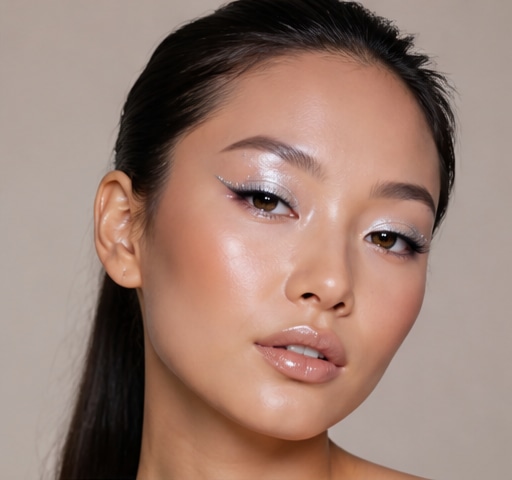
Ironically, piling on makeup to look polished often adds years. Heavy powder settles into fine lines and dehydrates the skin's appearance, making texture look more pronounced and the face flatter and older. Thick, full-coverage foundation reads as a mask rather than skin, and over-applied matte products kill the luminosity that signals youth. The aging culprits are usually too much powder, too-dark or harsh contour, and skipping any glow. The fix is to lean lighter and dewier: choose a luminous base, use cream products that blend into the skin and catch light, and set only where you actually get oily rather than baking your whole face. A touch of cream blush and a hydrated, glowy finish reads younger and healthier than full matte coverage. Less product, applied with a hydrated-skin philosophy, almost always looks more youthful than more.
Harsh Hair and Color Choices
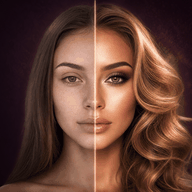
Hair mistakes age you in subtle but real ways. Very flat, uniform, or overly dark hair color can wash out your complexion and emphasize shadows, while severely brassy or damaged color reads as unhealthy. Extremely severe, scraped-back styles can look harsh against the face, and dry, frizzy, over-processed hair looks tired regardless of the cut. The fixes are gentle: softer, dimensional color with face-framing pieces brightens the complexion and adds movement, the opposite of a flat block of dark. Prioritize hair health — shine and softness read as youth — over chasing dramatic processing that leaves hair straw-like. A few softer pieces around the face and a tone that flatters your undertone do more than any drastic cut. Before any big color change, preview it on your own selfie with GlowMaxing so you can see whether a shade brightens or drains your face before you sit in the chair.
Over-Exfoliating and Barrier Damage
In the pursuit of glow, many people exfoliate too aggressively and end up looking older. Overusing acids, scrubs, or strong actives strips the skin barrier, causing redness, sensitivity, flakiness, and inflammation that all read as aged, unhealthy skin. A compromised barrier also loses moisture, so skin looks thinner and more crepey. The trend of stacking multiple potent actives at once is a common offender. The fix is restraint: exfoliate only a couple of times a week at most, introduce actives one at a time, and prioritize gentle, hydrating, barrier-supporting care. If your skin is currently red or reactive, strip back to a mild cleanser and moisturizer and let it recover for a few weeks. Plump, calm, well-hydrated skin reflects light evenly and looks younger. Aggressive exfoliation gives a brief smoothness followed by damage that ages you — patience wins.
The Lifestyle Habits That Show on Your Face
Some aging mistakes happen far from the bathroom mirror. Chronic poor sleep accelerates the appearance of aging through dullness, puffiness, and dark circles, while ongoing high stress raises cortisol that shows in your skin. Smoking and heavy alcohol are strongly linked to premature aging. Constant dehydration makes skin look thinner and emphasizes lines. Even sleeping face-down on a rough pillowcase can crease skin over time. The fixes are foundational: protect 7 to 9 hours of sleep, manage stress through movement and rest, stay hydrated, moderate alcohol, and switch to a silk or satin pillowcase. These habits won't just slow visible aging — they improve your energy and mood, which changes how you carry yourself. The youngest-looking glow-up isn't a product routine at all; it's consistent care for the body underneath the skin, paired with avoiding the harsh shortcuts that backfire.
The quick checklist
- Apply generous SPF 30+ every single day
- Choose dewy, light bases over heavy matte powder
- Set makeup only where you get oily, not all over
- Pick softer, dimensional color with face-framing pieces
- Exfoliate gently, only a couple times a week
- Introduce one active at a time to protect your barrier
- Protect 7–9 hours of sleep and manage stress
- Switch to a silk or satin pillowcase to prevent creasing
✦ Free to start✨ Try these looks on your own selfie with GlowMaxing →Upload one selfie and try any hairstyle, color or makeup look instantly with AI. Free to start.Download on theApp Store