 Try this styleon your selfie · free
Hair Masks: How and How Often to Use Them
Published January 22, 2026
Pick the right mask for your hair's real problem and stop wasting money on the wrong jar.
Why Masks Beat Conditioner
A hair mask is a deeper, more concentrated treatment than your daily conditioner, with richer ingredients and longer contact time. Conditioner smooths the surface for slip and detangling, while a mask penetrates to repair, hydrate, or strengthen over several minutes. The payoff is softer, shinier, more resilient hair, especially if you color, heat-style, or have naturally dry or coily texture. The trick is choosing the type your hair actually needs rather than the one with the prettiest packaging.
Moisture vs Protein
Most masks fall into two camps: moisturizing or protein-based, and confusing the two causes most mask disappointment. Moisture masks with oils, butters, and humectants soften dry, brittle, frizzy hair and are the safe default for most people. Protein masks with keratin or amino acids rebuild damaged, over-processed, elastic-feeling hair but can make it stiff if overused. Hair that feels gummy and stretchy when wet wants protein; hair that feels straw-like and rough wants moisture.
How Often to Use One
Frequency depends on hair type and damage level, not a one-size rule. Dry, coily, or color-treated hair often loves a moisture mask once a week, while fine or oily hair may only need one every two weeks to avoid going limp. Protein treatments are stronger medicine and usually belong every two to four weeks, balanced with moisture in between. Listen to your hair: if it feels coated, heavy, or brittle, you are overdoing it.
Application Technique
Apply a mask to clean, towel-dried hair so it absorbs rather than slides off excess water. Concentrate it from mid-lengths to ends, the oldest and most fragile part, and keep heavy masks off the scalp unless it is a scalp treatment. Comb through with a wide-tooth comb for even coverage and to detangle gently. Leave it on for the recommended time, and add gentle warmth from a shower cap or warm towel to help richer masks penetrate.
DIY vs Store-Bought
Pantry masks like avocado, honey, or yogurt can add temporary softness and are fun, but they lack the engineered penetration of a formulated mask. For genuine repair, a well-formulated bond-building or protein mask outperforms most kitchen mixes. Save DIY for a low-stakes hydration boost and invest in a real product for damaged, colored, or chemically treated hair. Whatever you choose, consistency matters more than any single luxurious treatment.
Common Mistakes
Leaving a mask on overnight rarely helps and can leave hair greasy or, with protein, stiff. Using a protein mask every wash on already-healthy hair causes the dreaded crunchy, snapping strands. Applying to soaking-wet hair dilutes the treatment, and skipping the rinse leaves residue that dulls shine. Rotating moisture and protein based on how your hair feels keeps it balanced and bouncy.
See Healthy Hair Goals
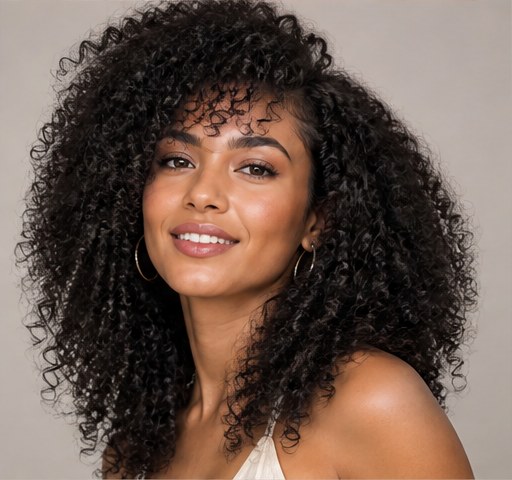
It is motivating to picture the glossy, healthy result a good masking routine builds toward. Use GlowMaxing to preview soft, shiny lengths and the styles they make possible on your own selfie. Seeing how nourished waves or sleek straight hair frame your face turns a tub of mask into a clear goal. It is a small visual nudge to keep the weekly ritual going.
The quick checklist
- Choose moisture for dry, rough hair
- Choose protein for damaged, stretchy hair
- Apply to towel-dried, not soaking, hair
- Focus on mid-lengths and ends
- Add gentle heat to help penetration
- Rotate types to avoid protein overload
✦ Free to start✨ Try these looks on your own selfie with GlowMaxing →Upload one selfie and try any hairstyle, color or makeup look instantly with AI. Free to start.Download on theApp Store