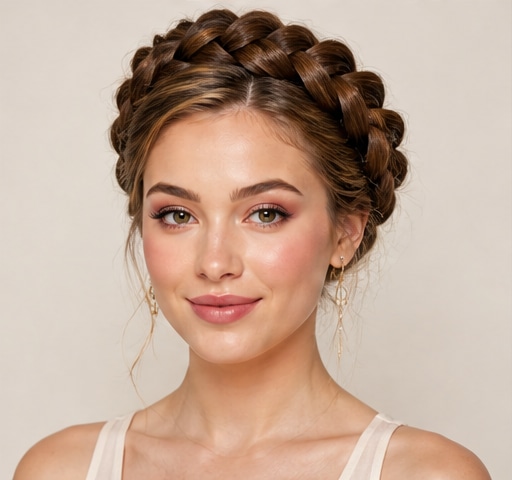
 Try this styleon your selfie · free
Hair Toppers vs Wigs: Which Coverage Option Suits Thinning Hair?
Published August 21, 2026
Understand the real differences in coverage, comfort, and cost so you choose the option that fits your hair loss.
The Core Difference
The choice between a topper and a wig comes down to how much of your own hair you still have and want to use. A hair topper is a partial hairpiece that clips onto your existing hair to cover thinning at the crown, part line, or top of the head, while blending with the hair you still have around the sides and back. A wig covers your entire head and replaces all visible hair. So the first question is simple: do you have healthy hair around the perimeter you can blend with, or is thinning widespread? Toppers suit early-to-moderate, localized thinning, common in female-pattern hair loss where the crown thins but the sides hold. Wigs suit advanced, all-over loss, total loss from medical treatment, or anyone who wants a complete change.
When a Topper Is the Better Choice
Toppers shine for the most common type of thinning, where your part is widening or the crown is sparse but you still have decent density elsewhere. Because a topper uses your own hair around it, the blend can look incredibly natural, no one can tell where your hair ends and the piece begins when it is matched well. They are lighter, cooler, and less of a commitment than a full wig, and they let you keep styling your own lengths. Toppers come in different base sizes, from small patches for early thinning to larger ones for more coverage, and in clip-in, pressure-sensitive, or tape-in attachments. They are ideal for someone who wants discreet, everyday coverage and still has hair worth working with. Sizing the base to your area of loss is critical.
When a Wig Makes More Sense
A wig is the right call when thinning is extensive, when you have lost hair across the whole scalp, or when your remaining hair is too sparse or fragile to anchor a topper or blend convincingly. Wigs are also the practical choice during chemotherapy or for conditions like alopecia totalis, where there may be no hair to clip into. Beyond medical need, wigs offer total flexibility, you can change color, length, and style instantly without touching your natural hair, which appeals to anyone wanting transformation or protective styling. Modern lace-front and monofilament wigs look remarkably realistic, with a natural-looking hairline and part. The trade-off is they are warmer, take practice to apply securely, and you are fully reliant on the piece rather than your own hair.
Comfort, Security, and Daily Life
Practical wear differs a lot. Toppers, being smaller and clipped into existing hair, generally feel more secure and breathable for active days, and you can often sleep or shower in low-profile ones depending on attachment. Wigs require a snug cap and sometimes adhesive or a grip band, and beginners worry about shifting, though a well-fitted wig stays put through normal activity. Heat is a real factor: a full wig covers the whole scalp and can feel warm in summer, while a topper leaves much of the scalp open. Consider your lifestyle honestly, if you are very active or live somewhere hot, a topper or a lighter cap construction matters. Both need a learning curve for application, but toppers are generally quicker to put on once you have the placement down.
Cost, Materials, and Maintenance
Both come in synthetic and human-hair versions, and that choice drives cost and care more than the topper-versus-wig decision does. Synthetic holds its style through washes and weather and costs less, but cannot be heat-styled much and wears out faster, typically lasting months of regular use. Human hair looks and behaves like your own, can be cut, colored, and heat-styled, and lasts far longer, but costs significantly more and needs styling after each wash. A topper generally costs less than a comparable full wig simply because it uses less hair. Budget for upkeep too: special shampoos, occasional professional cutting to blend a topper, and replacement over time. Decide how much styling effort you want before choosing material, since that is what you live with daily.
How to Choose and Preview
Start by assessing your loss honestly, ideally with a stylist who specializes in hair systems, since they can measure your thinning area and recommend a base size or cap type. Match color and texture to your natural hair carefully, a mismatch is the giveaway that ruins an otherwise great piece. If thinning is localized and your perimeter is healthy, try a topper first; if loss is widespread or you want total reinvention, go wig. Either way, you can experiment with color and length virtually before spending, upload a selfie to GlowMaxing to preview different shades and styles and see what suits your face. Whatever you choose, a professional fitting and a good color match matter far more than the price tag in making it look natural.
The quick checklist
- Choose a topper for localized crown or part-line thinning
- Choose a wig for widespread loss or full transformation
- Match color and texture carefully to avoid an obvious mismatch
- Size the topper base to your specific area of thinning
- Pick synthetic for easy upkeep, human hair for styling freedom
- Consider heat and activity level, toppers run cooler
- Get a professional fitting before buying for the most natural result
✦ Free to start✨ Try these looks on your own selfie with GlowMaxing →Upload one selfie and try any hairstyle, color or makeup look instantly with AI. Free to start.Download on theApp Store