
 Try this styleon your selfie · free
Honey Blonde vs. Caramel Blonde: How to Pick Your Warm Shade
Published November 4, 2026
Two gorgeous golden tones, one big decision, here's how to choose between honey and caramel blonde.
Understanding the Two Warm Blondes
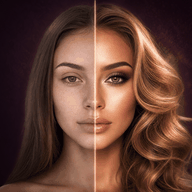
Honey and caramel blonde are both warm, golden, lived-in tones, which is why they're so often confused, but they sit at different points on the depth scale. Honey blonde is lighter and golden, think the color of liquid honey, with a soft, sun-kissed glow that reads brighter and more delicate. Caramel blonde is deeper and richer, leaning toward a golden-brown with warm amber undertones, like the color of caramel candy. Honey lives in the light-to-medium blonde range; caramel sits in the dark-blonde-to-light-brown range. Both flatter warm complexions beautifully and both photograph as rich and dimensional. The choice really comes down to how light you want to go, how much contrast you want against your skin and roots, and how much upkeep you're willing to commit to. Understanding the depth difference is the foundation for choosing well.
Match the Shade to Your Skin Tone
Both shades love warm skin, but the nuance matters. Honey blonde is most flattering on light-to-medium skin with warm or neutral undertones; its brightness can wash out very fair, cool complexions, so cooler skin may want a more neutral honey. Caramel blonde is wonderfully versatile and tends to flatter a broader range, from medium to deeper skin tones, because its depth complements warmer and richer complexions without overwhelming them. A quick test: if gold jewelry suits you more than silver, warm blondes in general will work. For deeper skin tones, caramel usually reads more harmonious and luxurious than a light honey. If you're fair and cool-toned but still want warmth, a soft honey balayage that keeps your roots darker gives glow without fighting your complexion. The right depth against your skin is what makes the color look intentional rather than off.
Factor In Your Starting Color
Your natural or current color heavily influences which shade is realistic and low-effort. If you're naturally light brown or dark blonde, caramel is an easy, gorgeous reach that needs minimal lifting and looks effortlessly blended. If you're already a medium blonde or have previously lightened hair, honey is within easy striking distance and will glow. Going from dark brown to a light honey requires significant lifting, which means more processing, more potential for brassiness, and more maintenance, so caramel is often the smarter first step for darker bases. The closer your target is to your starting depth, the healthier and more natural the result, and the kinder it is to your strands. Always factor in how much lift you actually need; chasing too much lightness on dark hair is where warm blondes go wrong and turn unwanted orange.
Maintenance and Brass Management
Honey blonde, being lighter, generally needs more upkeep: more frequent toning to keep it from going brassy, and root touch-ups or a balayage grow-out strategy. Caramel, sitting closer to most natural bases, is more forgiving and grows out softly, making it lower-maintenance, a big plus if you don't want frequent salon visits. For both, warm tones are the goal, so you're not fighting warmth the way you would with a cool blonde, but you still want to control unwanted brassy orange. Use a color-protecting, sulfate-free shampoo, wash in cooler water, and shield your color from sun and chlorine, which fade and brassen warm blondes. A gloss or toner refresh every few weeks keeps either shade looking fresh and dimensional. Be honest about your maintenance appetite; it's often the deciding factor between the two.
Placement: All-Over vs. Dimensional
Neither shade has to be a single flat color, and dimension is what makes warm blondes look expensive. A caramel balayage painted onto a brown base gives soft, sun-kissed depth with dark roots that grow out gracefully, ideal for low-maintenance richness. Honey works beautifully as all-over warmth for a brighter, cohesive glow, or as honey highlights and babylights woven through a darker base for a luminous, multi-tonal effect. Many people combine the two, caramel lowlights with honey highlights, for maximum dimension that mimics natural sun-lightening. Face-framing pieces in the lighter of your two tones brighten your complexion instantly. Think about whether you want bold all-over impact or soft, grown-in dimension, and choose your placement accordingly. The technique matters as much as the shade itself for the final vibe.
Make the Call and Preview It First
If you want bright, sunny, and youthful and you've got a lighter base plus the patience for upkeep, go honey. If you want rich, warm, low-maintenance and you're starting from brown or dark blonde, go caramel, and for deeper skin tones it's often the more flattering choice. Still torn? You don't have to commit blind. The smartest move before a salon appointment is to preview both shades against your actual face, hair length, and skin tone. Upload a selfie to GlowMaxing and try honey and caramel side by side to see which one lights you up, it's a genuinely useful gut-check that saves you from second-guessing in the salon chair. Bring the result to your colorist as a reference. Whichever you choose, the warm, golden glow of these blondes is endlessly flattering and forgiving.
The quick checklist
- Honey is lighter and golden, caramel is deeper and golden-brown
- Honey suits light-to-medium warm skin, caramel flatters a broader, deeper range
- Going light honey from dark hair needs heavy lifting and more upkeep
- Caramel grows out softly and is the lower-maintenance choice
- Use sulfate-free, color-safe shampoo and cool water to fight brass
- Refresh with a gloss every few weeks to keep either tone dimensional
- Combine caramel lowlights with honey highlights for maximum dimension
- Preview both shades on a selfie before booking to avoid second-guessing