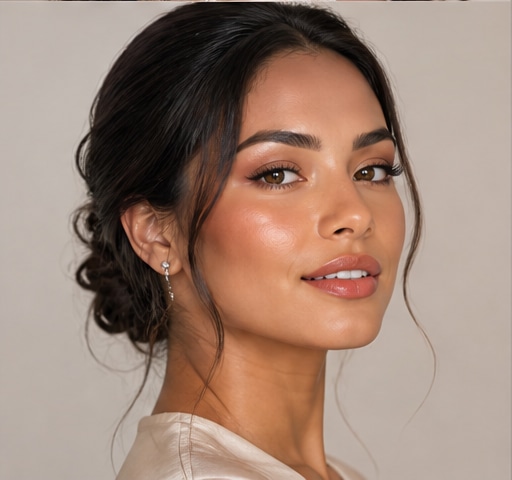
 Try this styleon your selfie · free
How to Apply Eyeshadow Primer for Long-Lasting Color
Published September 24, 2026
The two-minute step that stops creasing, boosts pigment, and makes any eyeshadow last from morning to midnight.
What Eyeshadow Primer Actually Does
Eyeshadow primer is a thin, tacky base you apply to bare lids before shadow, and it solves three problems at once. First, it creates grip so pigment grabs and stays put instead of sliding into the crease by lunchtime. Second, it provides a neutral, even canvas that cancels out the natural redness or veininess of the lid, so colors appear truer and more vivid. Third, it controls the oil your eyelids produce, which is the real reason shadow creases and fades. Without primer, your lid's natural oils break down powder shadow within a few hours, especially on hooded or oily lids. The difference is dramatic: the same shadow over primer can look twice as pigmented and last three times as long. If your eye looks always fade or fold by afternoon, primer is almost certainly the missing step.
Prep the Lid Before You Prime
Primer works best on a clean, oil-free, dry lid, so a little prep multiplies its effect. Start by making sure no leftover moisturizer or facial oil is sitting on the eye area, since that prevents primer from gripping. If your lids run oily, gently sweep a tiny bit of translucent powder over them first to mop up excess oil, then apply primer on top. Avoid applying eye cream right before makeup; let it fully absorb for several minutes or it'll sabotage everything. Many people also like to even out lid color with a thin layer of concealer set with powder before primer, which deepens the canvas effect. The principle is simple: primer can only do its job if the surface underneath is clean and matte, so give it a dry foundation to cling to.
How Much to Use and Where
The number-one primer mistake is using too much. A thick layer stays tacky, never sets, and actually causes shadow to slide and bunch, the opposite of what you want. You need only a tiny amount, about the size of a grain of rice for both eyes. Dot it on the center of the lid and use your ring finger or a small flat brush to sweep it in a thin, even film from lash line up to the brow bone, or at least slightly above the crease. Cover the whole area you'll put shadow on, including the outer corner and just under the lower lash line if you plan to shadow there. Spread it right to the edges so you don't get a patch where shadow grabs and a patch where it slides. Thin and complete beats thick and partial every time.
Let It Set, Then Build Color
Patience is the secret most tutorials skip. After applying primer, wait roughly thirty seconds to a minute until it goes from slick to slightly tacky, that tackiness is what makes pigment cling. Applying shadow over wet primer makes it slip; applying over fully dry, powdery primer reduces grip. The tacky in-between is the sweet spot. Once it's ready, build your shadow in thin layers, tapping rather than dragging your brush so the pigment beds into the primer. You'll notice colors grab faster and look more saturated, so use a lighter hand than usual. If you primed with a tinted formula, you can even wear it alone for a wash of color. Working in light, buildable layers over set primer is what gives you that crease-proof, vivid finish that lasts all day.
Match the Primer to Your Eyelid
Not all primers suit all lids, and matching matters. If your lids are oily or hooded and prone to creasing, choose a mattifying or long-wear primer, which absorbs oil and grips hardest, the trade-off being it can tug on dry lids. If your lids are dry or you're older and shadow looks crepey, a more hydrating or satin primer keeps the area smooth and prevents shadow from settling into fine lines. Color matters too: a flesh-toned primer neutralizes redness for true color payoff, a white or pale base amplifies vivid shadows and makes them pop, and a brightening tone wakes up the whole eye. If you have no dedicated primer, a thin layer of concealer set with powder is a decent stand-in, though purpose-made primer outlasts it. Pick for your lid type, not just the prettiest packaging.
Make Your Whole Eye Look Last
Primer is the foundation, but a few extra habits push longevity further. Set powder shadow with a translucent powder underneath your eye to catch fallout, then a fine setting mist over the finished eye to fuse the layers. For very long days or events, a touch of a colored base in the same tone as your shadow intensifies and locks the look. Always curl lashes and use a long-wear or waterproof mascara so the eye stays defined even if everything else softens. Curious whether a soft neutral or a bold smoky eye actually suits your eye shape before you invest the time? You can preview makeup looks on your own selfie with GlowMaxing, then prime and recreate the one you love knowing it'll last all the way to midnight.
The quick checklist
- Apply primer only to a clean, dry, oil-free lid for maximum grip
- Use a rice-grain amount, too much primer makes shadow slide instead of stick
- Sweep a thin, complete film from lash line up past the crease
- Wait until the primer turns tacky, not wet or fully dry, before adding shadow
- Tap shadow on in thin layers, it grabs faster and looks more pigmented
- Choose mattifying primer for oily lids and hydrating for dry or mature lids
- Set the finished eye with a fine mist to fuse every layer in place
✦ Free to start✨ Try these looks on your own selfie with GlowMaxing →Upload one selfie and try any hairstyle, color or makeup look instantly with AI. Free to start.Download on theApp Store