 Try this styleon your selfie · free
Hydration Glow Up: How Water Changes Your Skin in 2 Weeks
Published September 3, 2026
A two-week hydration reset is the lowest-effort glow up there is — here's what actually happens to your skin.
What Hydration Really Does for Skin
Let's be honest about the science first, because TikTok oversells this. Drinking water won't erase wrinkles or replace moisturizer. But chronic dehydration absolutely shows on your face: skin looks flatter, duller, and more prone to looking tired, and fine lines from dryness become more visible. When you're well-hydrated, skin cells are plumper, your complexion looks fresher, and your skin barrier functions better. The realistic promise of a hydration glow up isn't transformation from nothing — it's reversing the deficit most people walk around with. If you've been running low for years, the change over two weeks can look surprisingly dramatic simply because you're finally giving your skin a baseline it hasn't had. Set expectations there and you won't be disappointed.
Days 1 to 4: The Adjustment Phase
The first few days feel less like glowing and more like commuting to the bathroom. That's normal — your body is recalibrating fluid balance, and frequent bathroom trips ease within about three to five days as your kidneys adjust. Start at a realistic target: aim for roughly 2 to 2.5 liters a day from all sources, including food and tea, adjusting up if you're active or it's hot. Don't chug it all at once, which just sends it straight through you; sip steadily across the day. A helpful trick is to drink a full glass first thing in the morning before coffee, since you wake up mildly dehydrated. You probably won't see skin changes yet in this phase, and that's expected. The goal here is just building the habit.
Days 5 to 10: First Visible Changes
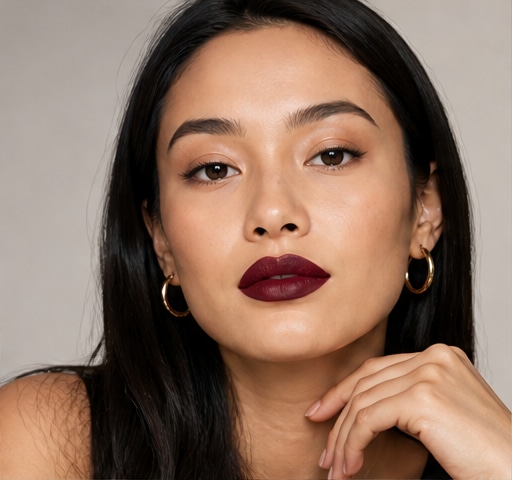
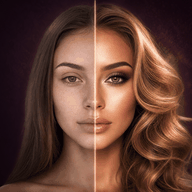
This is where it gets motivating. By the end of the first week, most people notice their skin looks a little less dull and feels less tight, especially in the morning. Under-eye areas can look fresher because mild dehydration tends to accentuate shadows and puffiness. Lips stay softer, and that papery, dry feeling on cheeks and forehead eases. You may also notice non-skin perks that keep you going: steadier energy, fewer afternoon headaches, and less of that mid-day fog. If you've paired water with cutting back on alcohol and salty snacks, the effect compounds, since both pull water out of your tissues. Take a no-makeup selfie on day one and another now in the same light — side by side is where you'll actually see the difference your mirror has been hiding from you day to day.
Days 11 to 14: The Settled Glow
By the two-week mark, hydration stops feeling like a project and starts being your normal. Skin tends to look its most even and fresh now because you've cleared the deficit and your barrier is functioning well, holding onto the moisture you apply on top. This is the moment your skincare and makeup will reward you most: hydrated skin grips serum better and lets foundation sit smooth instead of clinging to dry patches. It's a great time to experiment with a brighter look, and you can preview a new hairstyle or makeup direction on your refreshed selfie in GlowMaxing before you commit. Keep in mind the glow holds only as long as the habit does — drop back to a glass a day and the dullness creeps back within a week. Maintenance is the whole game.
Hydration Habits That Actually Last
The reason most water resets fail is logistics, not motivation. Make it frictionless. Keep a marked bottle you refill on a schedule — finishing it by mid-morning, by lunch, and by late afternoon turns a vague goal into three checkpoints. Flavor it with cucumber, lemon, or mint if plain water bores you, since you're more likely to drink something you enjoy. Eat water-rich foods like fruit, soup, and salads, which count toward your total. Watch your urine color as a free gauge: pale straw means you're on track, dark yellow means catch up. And remember hydration works from outside too — a moisturizer with humectants like glycerin or hyaluronic acid seals in what you're drinking. Drinking plus sealing beats either alone.
Who Sees the Biggest Difference
Hydration glow ups aren't equal for everyone, and that's worth knowing before you judge your results. The people who see the most dramatic two-week change are those starting from a real deficit: heavy coffee or alcohol drinkers, anyone who rarely drinks plain water, people in dry or air-conditioned environments, and frequent travelers. If you already drink plenty, adding more won't do much — your skin can't store excess, and you'll just visit the bathroom more. People with naturally oily skin may notice subtler changes than those with dry or dehydrated skin, who feel it most. None of this replaces medical advice; if your skin is severely dry or flaky despite good hydration, a barrier issue or other cause may need a dermatologist. For most people, though, this is the rare beauty tip that's genuinely free.
The quick checklist
- Aim for 2 to 2.5 liters daily from all sources, sipped steadily
- Drink a full glass first thing before coffee
- Use a marked bottle with mid-morning, lunch, and afternoon checkpoints
- Take before and after selfies in the same light to track progress
- Seal in hydration with a glycerin or hyaluronic acid moisturizer
- Cut back on alcohol and salty snacks that pull water from tissues
- Check urine color — pale straw means you're on track
✦ Free to start✨ Try these looks on your own selfie with GlowMaxing →Upload one selfie and try any hairstyle, color or makeup look instantly with AI. Free to start.Download on theApp Store