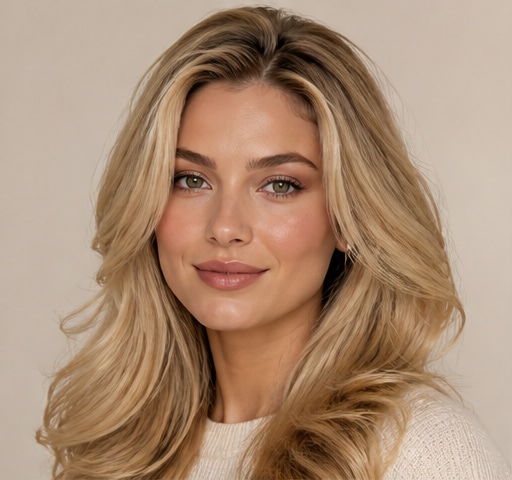
 Try this styleon your selfie · free
Liquid vs Stick Foundation: Pros, Cons, and Best Uses
Published September 12, 2026
Two formulas, two very different jobs — here's exactly when to reach for each so your base looks like skin, not a mask.
The Core Difference in 30 Seconds
Liquid foundation is pigment suspended in a fluid base, so it spreads thin, evens tone broadly, and builds slowly. Stick foundation packs that pigment into a waxy, solid bullet, so it lands more concentrated and acts like foundation and concealer in one. The practical takeaway: liquid is your all-over canvas for medium coverage with the most finish options, while stick is your targeted, high-coverage tool you can swipe exactly where you need it. If you have a lot of even skin and just want a wash of color, liquid wins on naturalness. If you have redness, dark spots, or under-eye shadows you want gone fast, stick gives you that opacity in fewer steps and far less product fuss.
When Liquid Foundation Is the Right Call
Reach for liquid when you want flexibility and a true skin-like finish. It comes in the widest range of finishes — matte, natural, satin, dewy — and the widest shade ranges, which matters a lot for finding an exact match. It's ideal for dry-to-normal skin because most formulas have humectants that don't cling to flakes. Liquid also plays best with a damp sponge, which sheers it out for that filter-like blur everyone wants. Use 2 to 3 small dots per cheek, forehead, and chin, then bounce outward. It's the better pick for full-face medium coverage, photographed events under bright light, and anyone who prefers buildable control over instant opacity. The trade-off: it usually needs a separate concealer for trouble spots.
When Stick Foundation Wins
Stick is the move when you're short on time, traveling, or doing your makeup without a mirror at your desk. Because it's solid, there's no spill, no dropper, no measuring — you swipe it straight onto skin and blend with fingers or a brush. It delivers medium-to-full coverage instantly, so it doubles as spot concealer over blemishes and as contour when you grab a shade or two deeper. It suits normal-to-combination skin and anyone who wants a quick, polished base in under five minutes. Set the T-zone if you're oily, because the waxes can shift. The downside is fewer finishes (most lean satin or matte) and slightly fewer shades, so matching can take more hunting.
Skin Type Decides More Than You Think
Match the formula to your skin, not the trend. Dry and mature skin generally loves liquid's hydrating slip, especially dewy or natural-finish formulas applied with a damp sponge — stick waxes can emphasize texture and flakes if skin isn't well-prepped. Oily and acne-prone skin can go either way: a long-wear matte liquid resists slip best, but a stick used only where you need coverage keeps the rest of your face breathable. Combination skin often does great with a hybrid routine — stick on the center of the face for coverage, skipped entirely on the cheeks. Always prep with moisturizer and, for oily zones, a mattifying primer, regardless of which formula you choose. Good skin prep narrows the gap between the two dramatically.
Application Tools and Technique
Your tool changes the result more than the formula label. For liquid, a damp makeup sponge gives the most natural, sheer finish; a buffing brush gives more coverage; fingers warm the product for a melted-in look on dry skin. Build in thin layers and only add coverage where you need it. For stick, draw lines or dots where you want the most coverage, then blend immediately before the waxes set — a small dense brush or a sponge works better than fingers for a seamless edge. Whichever you use, blend down the neck and into the jaw to avoid a visible line. Want to see how a fresh, glowy base or a matte one suits your face before you commit? You can preview the finish on your own selfie in GlowMaxing and compare looks side by side.
Longevity, Setting, and Travel
Liquid tends to wear longest when paired with a primer and a light dusting of setting powder, then locked with setting spray — a good combo can hold 8 to 12 hours through a full day. Stick wears well too but benefits especially from powder over any oily areas, since the waxes are what shift first. For travel and gym bags, stick is the clear winner: no leaks, TSA-friendly, and it survives heat better than a glass dropper bottle. For a wedding, a long shoot, or a humid festival day, a transfer-resistant matte liquid plus setting spray is the safer marathon choice. Keep a stick in your bag for midday touch-ups either way — a quick swipe and tap refreshes coverage without caking.
The quick checklist
- Choose liquid for even, buildable all-over coverage and the widest finish and shade options.
- Choose stick for fast, high-coverage spot work, contour, and mess-free travel.
- Prep with moisturizer first; add mattifying primer on oily zones for either formula.
- Apply liquid with a damp sponge for the most skin-like, sheer finish.
- Blend stick immediately before the waxes set, using a dense brush, not just fingers.
- Set oily areas with powder, especially over stick, to stop midday shifting.
- Always blend down past the jaw and onto the neck to avoid a visible line.
- Pack a stick for touch-ups and a long-wear matte liquid for marathon event days.
✦ Free to start✨ Try these looks on your own selfie with GlowMaxing →Upload one selfie and try any hairstyle, color or makeup look instantly with AI. Free to start.Download on theApp Store