
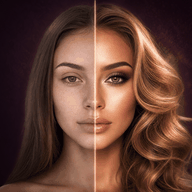
 Try this styleon your selfie · free
How to Match Your Hair Color to Your Natural Brows
Published September 21, 2026
Your eyebrows are the truth-teller of hair color: matching your shade to them is the secret to color that looks effortlessly natural instead of obviously dyed.
Why Brows Are Your Color Compass
Here's a stylist secret worth its weight in gold: your natural eyebrows reveal the hair color that genuinely suits your complexion. Because brows frame the face and sit right beside your eyes and skin, the brain reads them as the reference point for what looks 'real.' When your hair and brows are wildly mismatched, like dark brows under platinum hair or jet-black hair over pale blonde brows, something looks off even if people can't name why. That mismatch is the tell that screams 'dyed.' Matching, or staying within a believable range of, your natural brow color keeps everything harmonious and lets your color read as if you were born with it. Your brows already coordinate with your skin's undertone and your eye color, so using them as your guide does the hard work for you.
The Two-Shade Rule
You don't need an exact match, you need to stay within range. The widely used guideline is keeping your hair within roughly two shades of your natural brow color. If your brows are dark brown, hair anywhere from medium brown to soft black reads natural. If your brows are light, you have room for blonde through light brown. Going lighter than your brows usually works better than going much darker, which is why dark-haired people who lighten often keep their brows a touch deeper for definition, while blondes with naturally dark brows sometimes soften the brows slightly to bridge the gap. The two-shade window also tells you when you'll need brow maintenance: push your hair beyond it and you'll likely want to tint or fill your brows to restore balance. Stay inside it and your brows take care of themselves.
Matching Undertone, Not Just Depth
Depth is only half the equation; undertone is the other. Look closely at your brows in natural light. Do they lean warm (golden, reddish, soft brown) or cool (ashy, taupe, gray-brown)? Your hair color should echo that temperature. Warm brows pair beautifully with caramel, honey, and golden-brown hair, while cool brows sit naturally beside ash, mushroom, and espresso tones. Mismatched undertone is a subtle saboteur: warm hair over cool brows can make brows look dull and gray, while cool hair over warm brows makes them look orange. Getting both depth and undertone aligned is what separates color that looks expensive from color that looks slightly costume-y. When you bring references to a colorist, point out your brow undertone specifically, it's a detail many people forget but professionals deeply appreciate.
When You Want a Big Contrast
Sometimes you genuinely want hair that's far from your brow color, think bold platinum, dramatic red, or going much darker than your natural brows. That's completely doable; it just means committing to brow upkeep so the two stay intentional rather than accidental. Going dramatically lighter often calls for lightening or softening the brows a shade or two, professionally, never with hair bleach on your face, so they don't overpower the look. Going much darker may mean tinting your brows deeper for definition. Vivid colors like red or pastel work best when brows are kept neutral and groomed so they don't compete. The key word is intention: high-contrast looks read as styled and editorial when brows are deliberately managed, and as 'forgot about the eyebrows' when they're not. Decide upfront whether you're willing to maintain that contrast.
Test Before You Commit
Before you change your hair, see how it actually plays against your brows on your own face, not a model's. The most reliable trick is to gather selfies in natural daylight where your brows are clearly visible and hold potential shades against them. Even easier, you can upload a selfie to GlowMaxing and try different hair colors while keeping your real brows in frame, so you can instantly judge whether the pairing reads natural or clashes. This catches problems a swatch in the store never will, because it shows the relationship between hair, brows, and skin all at once. Pay attention to whether your brows suddenly look too heavy, too pale, or oddly colored against the new shade. If they do, either adjust the hair color or plan brow maintenance into the change before you book the appointment.
Keeping the Match Over Time
Matching isn't a one-time event, because hair color fades and brows can lighten with sun or age while your dye stays put. Check in every few weeks: if your hair has faded brassy or washed out, your once-balanced brows may now look mismatched, and a quick gloss can restore harmony. If you tint your brows, refresh roughly every four to six weeks, as brow tint fades faster than hair color due to the finer hairs. Sun exposure lightens both, but unevenly, so summer is when mismatches sneak in. A simple habit: every time you refresh your hair, glance at your brows in the same mirror and decide whether they still belong together. Small, regular adjustments keep the natural look you worked for, far easier than fixing an obvious mismatch months down the line.
The quick checklist
- Use your natural brows as the reference for a believable hair color
- Stay within about two shades of your brow color
- Match undertone, warm with warm, cool with cool, not just depth
- Going lighter than your brows usually looks more natural than darker
- Commit to brow tinting or softening for high-contrast looks
- Test new shades against your real brows in natural light or on a selfie
- Refresh brow tint every four to six weeks as it fades faster
- Recheck the match each time you refresh faded hair color
✦ Free to start✨ Try these looks on your own selfie with GlowMaxing →Upload one selfie and try any hairstyle, color or makeup look instantly with AI. Free to start.Download on theApp Store