 Try this styleon your selfie · free
Matte vs Dewy Finish: Choosing the Right Foundation
Published June 30, 2026
How to match foundation finish to your skin type, climate, and the look you actually want.
What Finish Actually Means
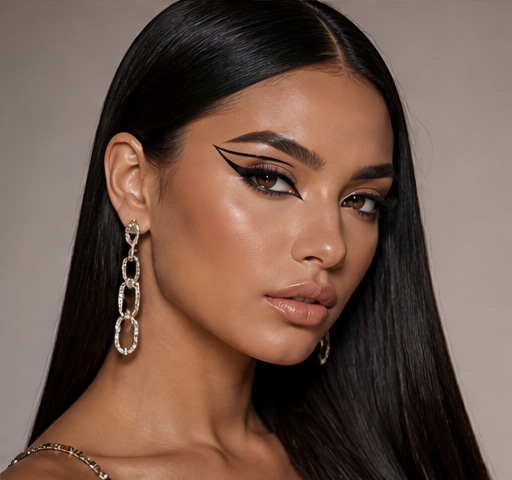
A foundation's finish is how it looks once it sets, separate from its coverage or shade. The two main camps are matte, a flat, shine-free, velvety surface, and dewy, a luminous, slightly glowing, fresh-from-the-shower look. In between sits satin or natural finish, a soft middle ground with a hint of glow but not full shine. Finish dramatically changes how your makeup reads: the same coverage in matte looks polished and controlled, while in dewy it looks radiant and youthful. Choosing the right finish is less about trends and more about matching three things, your skin type, your environment, and the vibe you want. People often blame a foundation for looking cakey or greasy when really they just picked the wrong finish for their skin. Understanding finish first, before coverage or shade, saves you from products that fight your skin all day.
When Matte Is Your Best Friend
Matte foundation suits oily and combination skin best because it absorbs excess oil and keeps shine at bay for hours, giving that long-lasting, controlled look. If your T-zone goes shiny by midday or your makeup tends to slide off, matte formulas grip and stay put far better. They also photograph beautifully with flash, which reflects off dewy skin and can look greasy, so matte is a go-to for events with lots of photography. Matte tends to offer more longevity and is great in hot, humid climates where dewy finishes turn sweaty. The trade-off: matte can emphasize dry patches, fine lines, and texture, since it has no light-reflecting glow to soften them. The fix is solid hydration underneath, a good moisturizer and treating dry areas before applying, so the matte sits smoothly instead of clinging to flaky spots.
When Dewy Wins
Dewy foundation is ideal for dry, mature, or dull skin because its luminous finish mimics healthy, hydrated skin and makes the complexion look plump and alive. It softens the appearance of fine lines and texture by bouncing light off the skin rather than flattening it, which is why it reads youthful. If your skin feels tight or looks flat and tired, dewy brings it back to life. It's the natural choice for the no-makeup-makeup look and for anyone chasing that lit-from-within glow. The catch: on oily skin, dewy can tip over into greasy as the day goes on, and it transfers more easily. If you love glow but have oiliness, you can still wear a dewy base and set only your T-zone with a light powder, keeping the rest of the face luminous. In cold, dry winter weather, dewy finishes are especially flattering and comfortable.
Matching Finish to Skin Type and Climate
The smartest way to choose is to start with your skin type, then adjust for climate and season. Oily skin leans matte, dry skin leans dewy, and combination or normal skin does well with a satin or natural finish that balances both. Climate is the second lever: hot and humid weather makes dewy finishes slide and matte more reliable, while cold and dry weather makes matte look parched and dewy look healthy. Many people switch finishes seasonally, dewy in winter, matte in summer, and that's a sign of a thoughtful routine, not indecision. You can also mix: use a matte foundation but add a touch of liquid highlighter on the high points for selective glow, or a dewy base set strategically with powder. The goal is a finish that looks like great skin in your actual environment, not a finish that looks perfect only in the store.
Application Tips for Each Finish
Application changes the outcome as much as the formula. For dewy finish, prep with a hydrating primer or a few drops of facial oil, apply with a damp sponge or fingers to press product in and preserve glow, and set only where you get oily, leaving the rest luminous. Avoid heavy all-over powder, which kills the dew. For matte finish, use an oil-controlling or mattifying primer, apply with a brush or sponge, and set with a translucent powder to lock it down, but use powder sparingly so you don't go cakey. With matte, hydrating your skin well beforehand prevents that flat, dry look. For both, less product applied in thin layers always looks more like skin than a thick single coat. And a setting spray to match, dewy or matte, melds everything and extends wear. Tailor the technique and even a single foundation can lean more or less glowy.
Test Before You Commit
Finish is hard to judge from a bottle or a swatch on your hand, so always test on your actual face when possible, and check it after a few hours to see how it wears with your skin's oils. Look at it in natural daylight and in the kind of lighting you'll actually be in, since indoor and outdoor light reveal shine and dryness differently. If you tend to oxidize or get oily, a finish that looks great on application can shift by afternoon. A low-commitment way to explore different looks first is to preview them digitally, snap a selfie and try different makeup finishes in GlowMaxing to get a feel for how matte versus dewy reads on your face before buying. Remember you're not locked into one forever, your skin changes with seasons, hormones, and age, so revisiting your finish choice periodically keeps your base looking its best year-round.
The quick checklist
- Oily and combination skin generally wears matte best
- Dry, mature, or dull skin glows in a dewy finish
- Pick satin or natural finish if your skin is balanced
- Go matte in heat and humidity, dewy in cold dry weather
- Hydrate well under matte to avoid clinging to dry patches
- Set only the T-zone over dewy to keep selective glow
- Test foundation on your face and check it after a few hours
✦ Free to start✨ Try these looks on your own selfie with GlowMaxing →Upload one selfie and try any hairstyle, color or makeup look instantly with AI. Free to start.Download on theApp Store