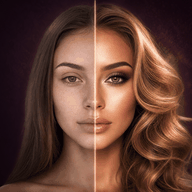
 Try this styleon your selfie · free
The Biggest Mistake People Make Going From Dark to Blonde
Published September 9, 2026
Trying to reach blonde in one session is the single error that wrecks dark hair, and the fix is patience plus a real plan.
The One-Session Trap
The biggest mistake, by a mile, is expecting to go from dark brown or black to clean blonde in a single sitting. Dark hair holds dense warm pigment, and lightening it is a gradual chemical process that has to remove that pigment in stages. Forcing it all at once means leaving bleach on too long or doing back-to-back rounds, which is exactly how hair snaps off, turns to mush, or fries at the ends. The honest timeline for a major dark-to-blonde transformation is often several sessions spread over weeks or months, not one afternoon. Each session lifts a few levels and stops while the hair is still healthy. Accepting this upfront is what separates a gorgeous, intact blonde from a brittle, broken one. Blonde is a journey, and the people who rush it are the ones who regret it.
Underestimating the Orange Stage
When you lighten dark hair, you don't go straight to pale yellow you pass through red, then orange, then gold, because that's the order the underlying warm pigment burns off. Many people panic at the orange or brassy-yellow stage and assume something went wrong, then either keep bleaching aggressively to escape it or slap on toner that isn't strong enough. Orange is a normal, expected checkpoint, not a failure. The right move is to lift to a pale yellow level before toning, because toner deposits, it doesn't lift, and a blue or purple toner can only neutralize so much warmth. If you tone over orange, you'll get a muddy result. Plan for the warm stages, lift fully and safely to clean yellow across multiple sessions, then tone. Knowing the sequence keeps you calm and keeps your hair attached.
Bleaching Roots and Ends the Same Way
Roots and ends are not equal, and treating them identically is a rookie error with big consequences. Your scalp gives off heat that makes roots lift faster, while ends are older, more porous, and already weaker. If you saturate everything at once and time it the same, your roots go pale while your fragile ends over-process and break. On virgin dark hair, the correct order is to apply lightener to the mid-lengths and ends first, let them start processing, then apply to the roots last so everything finishes evenly. On previously lightened hair, the opposite caution applies: keep fresh bleach off already-light ends entirely. This single technique difference protects your length and prevents the classic broken-off, frizzy ends that scream at-home blonde gone wrong.
Skipping Toner and Bond Protection
Two products separate a polished blonde from a yellow disaster: toner and bond builder. Freshly lifted hair is raw and warm, and toner is what turns that pale-yellow base into the icy, beige, or golden blonde you actually wanted purple cancels yellow, blue cancels orange. Skipping it leaves you brassy from day one. Bond-building treatments, added into the lightener and used after, reconnect the structural bonds bleach breaks, dramatically reducing breakage during a big lift. They're not optional for dark-to-blonde work; they're the reason modern dramatic transformations are even possible without total destruction. Use a bond builder in the mix, do a bond treatment after rinsing, then tone. Maintain with toning products and bond masks at home, because blonde isn't a one-time event it's an ongoing relationship that needs both color correction and structural repair.
Ignoring Damage and Doing It Blind
People dive into dramatic lightening without assessing whether their hair can survive it. Hair that's already box-dyed dark, heat-damaged, or chemically treated has less integrity and may not handle aggressive bleach, sometimes the safest call is to grow it out or go slower than you'd like. Do an elasticity test: stretch a wet strand; if it stretches and doesn't bounce back, it's fragile and needs repair before any lightening. Going in blind also means no shade plan. Before you commit to a dramatic change, preview the look on your own selfie with GlowMaxing so you know whether cool platinum, warm honey, or a softer balayage actually suits your features and skin tone. Walking in with a clear target and honest knowledge of your hair's condition prevents both the structural disaster and the wrong-shade regret.
Doing It Yourself When You Shouldn't
There's no shame in DIY color, but a full dark-to-blonde lift is the one transformation where a professional usually pays for itself. Colorists read your starting level, choose the right developer strength, manage the warm stages, place foils or balayage for dimension, and stop at the exact moment your hair has lifted enough without snapping. They also do bond protection and corrective toning that's hard to nail solo. If you insist on going DIY, do it in conservative stages weeks apart, never bleach over previously bleached sections, use a gentle developer, and tone separately. But if your hair is dark, previously colored, or already compromised, book the consultation. The cost of a professional lift is almost always less than the cost of cutting off broken, over-bleached hair and starting over from a damaged base.
The quick checklist
- Accept a multi-session timeline; never force dark to blonde in one day
- Lift fully to pale yellow before toning, and expect the orange stage
- Apply lightener to ends and mid-lengths first, roots last on virgin hair
- Use bond-building treatments in the mix and after every lift
- Tone with purple for yellow, blue for orange, to kill brass
- Do an elasticity test and repair fragile hair before lightening
- Preview your target blonde so you commit to a shade that suits you
- For dark, colored, or damaged hair, see a professional colorist
✦ Free to start✨ Try these looks on your own selfie with GlowMaxing →Upload one selfie and try any hairstyle, color or makeup look instantly with AI. Free to start.Download on theApp Store