 Try this styleon your selfie · free
Ombre vs Sombre: Choosing the Right Gradient for Your Hair
Published June 18, 2026
Both fade dark roots into lighter ends — but ombre makes a statement while sombre whispers. Here's how to pick your gradient.
The Core Difference in One Minute
Ombre and sombre are both gradient color techniques where hair transitions from darker at the roots to lighter at the ends — the names even rhyme on purpose. The difference is intensity and contrast. Ombre (French for 'shaded') features a more dramatic, noticeable shift, often with a visible point where dark meets light and a bigger jump in lightness. Sombre — 'soft ombre' — is exactly that: a subtler, more blended, lower-contrast version where the transition is gradual and natural, with minimal or no obvious line of demarcation. Think of it as a spectrum: ombre shouts, sombre murmurs. Both keep your roots darker (which is why they're loved — grow-out is forgiving and low-maintenance), but ombre delivers a bold, fashion-forward statement while sombre delivers sun-kissed, 'I was just born with great hair' subtlety. Your choice comes down to how much contrast you want.
What Ombre Looks Like and Who It Suits
Ombre is for those who want a noticeable, head-turning gradient. The contrast between the darker roots and lighter ends is significant — picture deep brunette melting into caramel or bright blonde, with a clear, often higher transition point. It reads bold, modern, and editorial, and it's a fantastic way to go dramatically lighter at the ends without committing to all-over bleach or constant root touch-ups. Ombre suits people who love a statement, who want maximum visible dimension, and who don't mind that the contrast makes the technique more obvious. It works on most base colors and can be tailored — warmer caramel tones or cooler ash and even pastel ends. Because the lightness sits at the ends, ombre also requires good conditioning care to keep those processed lengths healthy and glossy rather than dry.
What Sombre Looks Like and Who It Suits
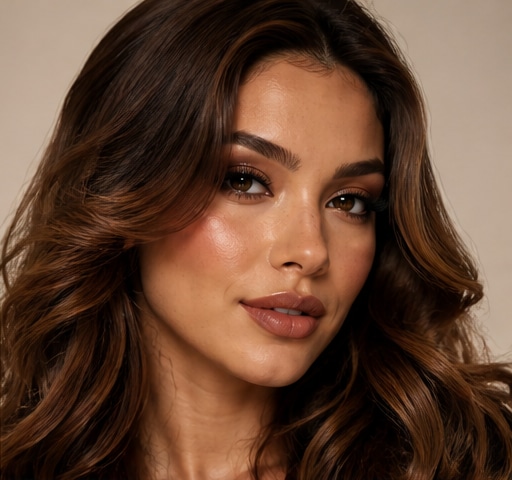
Sombre is the natural, low-key cousin — and it's the more popular choice for anyone wanting subtlety. The transition is soft and seamless, with lightness placed more gradually and often higher pieces of soft brightness woven near the face, mimicking the way the sun naturally lightens hair. There's little to no visible line; it just looks like your own hair, slightly sun-kissed. Sombre suits people who want dimension and brightness without an obvious 'dyed' look, who prefer understated and timeless over bold, and who want the most flattering, natural framing around the face. It's especially lovely for brunettes wanting warmth and movement without drama, and it photographs as effortlessly expensive. Because the contrast is gentle, sombre is also forgiving as it grows out and tends to need less precise maintenance than a high-contrast ombre.
Maintenance, Damage, and Upkeep
A major appeal of both techniques is low root maintenance — since your natural roots stay dark, you skip the frequent touch-ups that all-over color demands, often stretching salon visits to every few months. But there are differences. Ombre's heavier lightening at the ends means more processing on those lengths, so the ends need diligent care — regular conditioning, bond-building treatments, and trims to keep them from looking dry or brassy. Sombre's gentler, more dispersed lightening is generally less damaging overall and ages more gracefully because there's no hard line to maintain. Both benefit from a good toning routine to control unwanted warmth, especially on blonde or caramel ends. Whichever you choose, use sulfate-free, color-protecting care and a weekly mask to keep the lightened sections soft and shiny rather than straw-like.
Matching the Gradient to Your Goals
Choosing comes down to the vibe and lifestyle you want. Pick ombre if you want a visible statement, crave a bold lightness leap at the ends, love a fashion-forward look, and don't mind that it reads as an intentional color choice. Pick sombre if you want natural, sun-kissed dimension, prefer subtle over dramatic, want flattering face-framing brightness, and like the idea of color that grows out invisibly. Consider your base too: dramatic ombre shows off best with real contrast between your dark base and light ends, while sombre flatters those who want to brighten only a shade or two. Also weigh upkeep — if you want the lowest-effort, most forgiving option, sombre wins; if you want maximum impact and don't mind end-care, ombre delivers. There's no wrong answer, only the right contrast level for you.
Preview Before You Process
Color is one of the hardest beauty changes to undo, and a gradient that looks stunning on someone else may not flatter your skin tone or features the same way — the contrast point, the warmth of the ends, and how light you go all matter enormously. Before you book several hours in the salon chair, preview both options on yourself: upload a selfie to GlowMaxing and try a bold ombre and a soft sombre on your own hair to see which gradient genuinely suits your face and coloring. Seeing the transition point and the end-shade against your skin tone takes the gamble out. Then bring your favorite to your colorist as a precise reference, along with notes on warmth (caramel vs ash) so the result matches what you actually pictured.
The quick checklist
- Choose ombre for bold, high-contrast, statement gradients
- Choose sombre for soft, natural, sun-kissed dimension with no hard line
- Both keep roots dark, so grow-out is forgiving and low-maintenance
- Ombre's lighter ends need diligent conditioning and bond care
- Sombre is gentler overall and ages more gracefully
- Tone regularly to keep blonde or caramel ends from going brassy
- Preview both gradients on your selfie before committing in the chair
✦ Free to start✨ Try these looks on your own selfie with GlowMaxing →Upload one selfie and try any hairstyle, color or makeup look instantly with AI. Free to start.Download on theApp Store