Published November 21, 2025
Add subtle fullness to your lips without looking drawn-on, using placement and shade tricks that read real.
What Natural Overlining Means
Overlining means drawing slightly outside your natural lip line to create the illusion of fuller lips. The key word is natural: the goal is to stay within a millimetre or two of your true border so it reads as plump rather than painted on. Done well, no one should be able to tell you overlined at all. It's one of the most effective ways to add fullness without fillers or plumping gloss.
Choosing the Right Liner Shade
The most natural results come from a liner that matches your actual lip colour or your chosen lipstick, not a darker contrasting shade. A liner one shade deeper than your lipstick adds dimension, but going too dark creates an obvious ring that gives the overlining away. Nude and rosy liners that blend into your skin tone are the most forgiving for subtle enhancement. Always have the liner sharpened so you can draw a precise, controlled line.
Where to Add Fullness
You don't need to overline the entire lip; targeting specific areas looks far more natural. Focus on the centre of the upper lip and the fullest part of the lower lip to create a plumper, more pillowy shape. Slightly extending the cupid's bow upward adds definition, while overlining the lower centre adds pout. Avoid overlining the corners, which is where the trick most often looks fake and exaggerated.
The Application Technique
Start by lining your natural border, then build out gently in the target areas with tiny, feathery strokes rather than one solid line. Blend the liner inward with a brush or finger so there's no harsh edge between liner and lipstick. Fill the entire lip with the liner before applying lipstick so the colour stays even if your lipstick wears off. Keeping the new line soft and slightly blurred is what makes it believable.
Pairing With Lipstick and Gloss
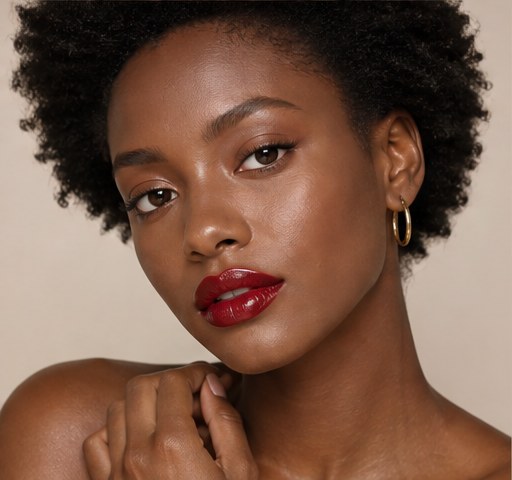
Apply a lipstick in the same family as your liner so the overlined edge disappears into the colour. A dab of gloss or a lighter shade in the very centre of the lips enhances the plumping illusion by catching light. For a fuller-looking pout, add a tiny touch of highlighter just above the cupid's bow. Matte lipsticks can make overlining look heavier, so a satin or cream finish tends to read more natural.
Cleaning Up and Symmetry
Symmetry matters more than going big, so check both sides in good lighting and adjust before adding lipstick. Use a small concealer brush to tidy the outer edge and sharpen the shape if you've gone slightly uneven. If one side looks fuller, bring the other up to match rather than reducing the first. A clean, even border is what keeps the look polished instead of smudged.
Who It Suits and Trying It On
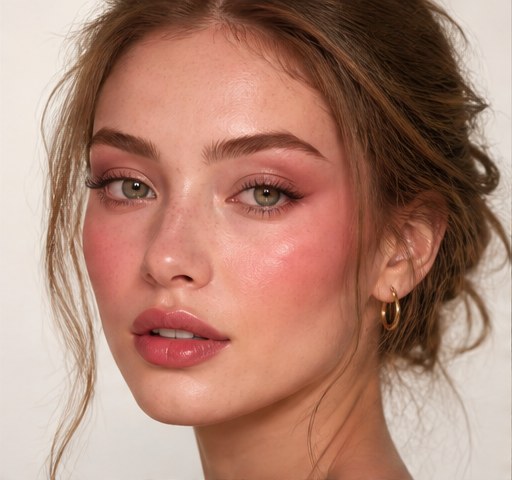
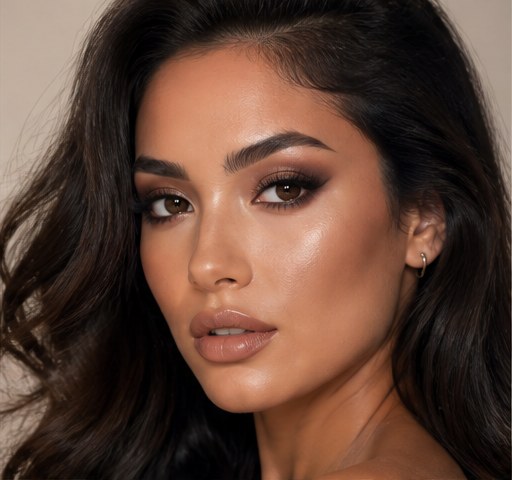
Overlining flatters thin lips, asymmetrical lips, and anyone wanting a fuller pout without committing to anything permanent. People with naturally full lips can use a whisper of overlining just to even out shape. The technique works in any colour, from nude to bold red, as long as the liner matches the lipstick. Preview an overlined lip on your selfie in GlowMaxing to find the shade and shape that looks most natural on you before buying new liners.
The quick checklist
- Match your liner to your lipstick, not a darker shade
- Stay within a millimetre or two of your natural line
- Overline the centre of upper and lower lips, not the corners
- Blend the liner inward so there's no harsh edge
- Add gloss or a lighter centre to enhance the plump illusion
- Check symmetry in good light and clean up with concealer
 ✦ Free to start✨ Try these looks on your own selfie with GlowMaxing →Upload one selfie and try any hairstyle, color or makeup look instantly with AI. Free to start.Download on theApp Store