 Try this styleon your selfie · free
Pearl Blonde vs Platinum Blonde: What's the Difference?
Published July 24, 2026
Two icy-cool blondes that look similar on screen but differ in softness, undertone, and how demanding they are to maintain.
Defining Each Shade
Both pearl and platinum are pale, cool blondes, but they are not the same. Platinum blonde is the lightest possible blonde, a near-white level 10 with a clean, icy, sometimes silver finish and almost no visible warmth. It is the bold, high-fashion blonde that reads bright and striking. Pearl blonde is a touch softer and more nuanced: a pale, luminous blonde with subtle cool undertones, often a whisper of beige, lilac, or soft rose that mimics the iridescent sheen of a real pearl. Where platinum is stark and uniform, pearl has a delicate, almost multi-dimensional glow. Think of platinum as pure white-blonde and pearl as a milky, slightly warmer-soft white with a luminous shimmer. On many people pearl reads as the more wearable, expensive-looking cousin, while platinum makes the louder statement.
Which Skin Tones Each Suits
Both shades love cool and neutral undertones, but the softer one is more forgiving. Platinum blonde is most striking on cool, fair-to-medium skin with high contrast, and on deeper skin tones it can look fashion-forward and bold. Because it is so stark, it can emphasize redness or sallowness, so very warm or ruddy complexions should approach with care. Pearl blonde, with its soft beige-to-lilac undertones, flatters a slightly wider range, including neutral and even some warm-neutral skin, because the gentle iridescence is less clinical than icy platinum. If platinum feels too harsh against your face when you preview it, pearl is often the answer: same pale family, softer landing. For both, the test is whether the brightness lights up your complexion or drains it, so judge in natural daylight, not warm bathroom bulbs.
How They're Achieved and Damaged
Both require lifting hair to a very pale level, which means significant bleaching for anyone not naturally very light. This is the most demanding category of color to achieve, and reaching a clean platinum or pearl from dark hair is a multi-session journey, not a single appointment, if you want to keep your hair intact. The difference is in the toning: platinum is toned to a clean icy or silver result, while pearl is toned with soft beige, lilac, or rose tones to create that milky luminance. Both rely on a pale, even canvas, so the lightening must be thorough and consistent or the toner will not read true. Bond-building treatments are non-negotiable during the lift. Expect dryness and fragility afterward regardless of which you pick, since both push hair to its lightest, most porous state.
Maintenance Reality Check
Neither of these is low-maintenance, and you should budget time and money accordingly. Roots are the biggest commitment: because the contrast between pale blonde and natural regrowth is severe, you will likely need root touch-ups every four to six weeks. Toning is the second job, since both shades fade toward yellow brass without help. Use a purple or blue toning shampoo once or twice a week to keep platinum icy, and a purple-leaning routine for pearl, though pearl's softer tone is slightly more forgiving of warmth creeping in. Deep conditioning is essential weekly because over-lightened hair is dry and breakage-prone. Cool-water washing, sulfate-free products, and minimal heat all extend your color and protect fragile strands. Realistically, both require a salon relationship and a real home-care commitment, with pearl being marginally easier to keep looking good between visits.
Which One to Choose
Choose platinum if you want maximum impact: the brightest, boldest, most attention-grabbing blonde, and you are happy to maintain its icy uniformity with frequent toning and root work. It is the showstopper. Choose pearl if you love pale blonde but want something softer, more luminous, and a little more wearable day to day, the kind of glow that looks expensive without screaming for attention. Pearl also tends to flatter a slightly broader range of undertones and is a touch more forgiving as it grows and fades. If you are new to ultra-light blonde, pearl is often the gentler entry point. If your styling and lifestyle can support a high-maintenance statement, platinum delivers the drama. Many people land on pearl precisely because it offers most of platinum's cool-pale beauty with a softer, more flattering finish.
Compare Them On Your Own Face
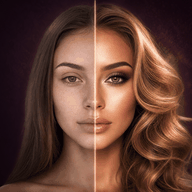
Pearl and platinum look nearly identical in product photos but read quite differently against real skin, and since both require an expensive, hair-stressing lightening journey, this is the worst possible color to guess on. Before you commit to weeks of bleaching, take a clear selfie in natural light and preview both pearl and platinum with GlowMaxing so you can see them side by side on your own features. That direct comparison usually makes the choice obvious: one will flatter your undertone and brighten your face while the other may feel harsh or washed out. Bringing that preview to your colorist also helps them tone precisely to the version you actually want, which matters enormously when the difference between the two shades comes down to subtle undertone work in the toner.
The quick checklist
- Platinum is icy and stark; pearl is softer with a luminous beige-lilac glow
- Both need multi-session lightening, never rush it from dark hair
- Insist on bond-building treatments throughout the lift
- Plan root touch-ups every 4 to 6 weeks due to high contrast
- Tone weekly with purple or blue shampoo to fight brass
- Deep condition weekly since over-lightened hair is fragile
- Choose pearl as the softer, more forgiving entry into pale blonde
✦ Free to start✨ Try these looks on your own selfie with GlowMaxing →Upload one selfie and try any hairstyle, color or makeup look instantly with AI. Free to start.Download on theApp Store