Published March 24, 2026
When primer genuinely earns its place, when to skip it, and how to pick the right one for your skin.
What Primer Actually Does
Primer is a prep layer between skincare and makeup that can smooth texture, grip foundation for longer wear, control oil or add glow, and blur pores depending on its formula. It is not one product but a category, so the honest answer to whether you need it is that it depends on your skin and your goals. A good primer solves a specific problem rather than being a mandatory step. Trying base looks in GlowMaxing can show you the finish you are aiming for, then a primer helps you achieve it in real life.
When You Genuinely Need One
Primer earns its place if your makeup slides off by midday, if you have visible pores or texture, if you have very oily or very dry zones, or if you need makeup to survive heat or a long event. In these cases a targeted primer noticeably improves wear and finish. People with normal skin and good moisturizer may not need one daily. Match the need to the formula rather than buying primer out of obligation.
When You Can Skip It
If your foundation already applies smoothly, lasts the day, and looks good, primer may be an unnecessary step and an extra layer that can pill or shift. A well-chosen moisturizer often does enough prep on its own for normal skin. Layering too many products can actually reduce wear and cause separation. There is no shame in skipping primer when your base behaves without it.
Pore-Blurring and Mattifying Primers
Silicone-based blurring primers fill in pores and fine lines to create a smooth canvas, ideal for textured skin and for photos. Mattifying primers absorb oil and are a lifesaver for oily skin and humid climates, extending wear in the T-zone. Apply these only where needed rather than over the whole face. The trade-off is that heavy silicone primers can occasionally cause pilling under certain foundations.
Hydrating and Glow Primers
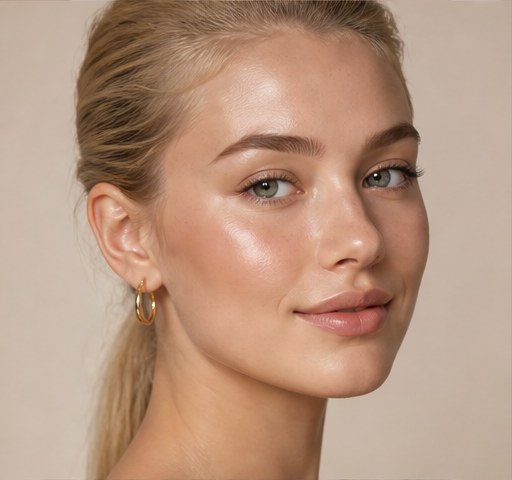
Hydrating primers add moisture and a healthy sheen, perfect for dry, dull, or mature skin that wants a dewy base. Illuminating primers add subtle luminosity from underneath for a lit-from-within glow. These keep foundation from clinging to dry patches and looking flat. Used under a sheer base, a glow primer can carry an entire no-makeup look on its own.
Matching Primer to Foundation Base
A crucial and overlooked rule is to match the base of your primer to your foundation, since silicone primers and water-based foundations can pill and separate when combined. As a guide, pair like with like, water-based primer under water-based foundation and silicone under silicone. Reading the first few ingredients tells you the base. Getting this match right prevents the rolling, patchy mess that makes people swear off primer entirely.
How to Apply It Well
Let skincare absorb fully, then apply a thin, even layer of primer and wait a minute before foundation so it can set into a true canvas. Use only a pea-sized amount, since too much primer causes slip and breakdown. Apply targeted primers just to the zones that need them, like mattifying on the T-zone and glow on the cheeks. Thin and patient application is what makes primer help rather than hurt.
The quick checklist
- Use primer if makeup slides off or pores show
- Skip it if your base already wears well
- Pick mattifying for oily, hydrating for dry skin
- Match primer base to foundation base to avoid pilling
- Apply targeted primers only where needed
- Use a thin layer and let it set before foundation
 ✦ Free to start✨ Try these looks on your own selfie with GlowMaxing →Upload one selfie and try any hairstyle, color or makeup look instantly with AI. Free to start.Download on theApp Store