
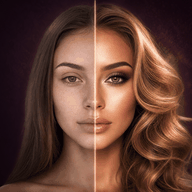
 Try this styleon your selfie · free
The Science of a Glow Up: What Actually Changes Your Face
Published June 25, 2026
The real, evidence-based levers behind a glow-up — and which ones are myths.
Glow Is Mostly Skin Quality
When people describe someone as glowing, they're usually reacting to skin quality, not bone structure. Healthy skin reflects light evenly, which the eye reads as luminous; damaged or dehydrated skin scatters light unevenly and looks dull. The biggest drivers of skin quality are well established: consistent hydration plumps the skin so it bounces light better, daily sunscreen prevents the dark spots and texture changes that account for much of how aged and tired skin looks, and adequate sleep is when skin repairs and inflammation calms. Diet plays a supporting role — chronic high sugar and heavy alcohol intake are linked to dullness and inflammation. None of this is glamorous, but it's where the real, measurable change happens. Before chasing exotic ingredients, optimizing hydration, sun protection, and sleep moves the needle more than almost anything else.
Puffiness, Fluid, and Why Mornings Lie
A surprising amount of facial change is just fluid moving around. Overnight, fluid can pool in your face — especially if you slept flat, ate salty food, or drank alcohol — which is why you often look puffier in the morning than at night. This isn't fat or permanent; it's temporary water retention. That's the science behind cold therapy: applying cold constricts blood vessels and reduces swelling, which is why an ice roller or chilled tool genuinely de-puffs. Lymphatic massage and facial massage work by encouraging that trapped fluid to drain. Managing salt, alcohol, and sleep position changes your default morning face over time. Understanding this saves you from panic — the puffy face you see at 7 AM isn't your real face, and simple, free interventions address it. Definition you thought you'd lost is often just fluid you can move.
Muscle, Fat, and Structure: What Really Moves
Some glow-up changes are structural and slower. Body-fat changes affect facial fullness, which is why weight shifts visibly change the face — though you can't spot-reduce one area. The much-hyped tongue-posture and jaw-exercise trends have limited solid evidence; the jaw muscle can hypertrophy slightly with chewing resistance, but you cannot dramatically reshape your bone structure as an adult through exercises, despite viral claims. Be skeptical of anything promising a new jawline in two weeks. What does help facial definition is reducing fluid retention, improving posture (which changes how your neck and jaw read), and overall body composition. Genetics set the baseline structure you're working with. The honest takeaway: you can optimize and present your features beautifully, but the dramatic before-and-afters you see online are usually angles, lighting, fluid, weight, and grooming — not someone regrowing their skull.
The Hidden Roles of Posture and Grooming
Two of the most underrated glow-up levers cost nothing and work instantly. Posture transforms the face and neckline: standing tall with shoulders back and chin slightly forward and down sharpens the jaw and neck profile dramatically compared to a hunched, head-forward slump. Photographers and people who shoot for a living rely on this. Grooming is the other quiet powerhouse — well-shaped, full-looking brows frame and balance the entire face, clean healthy hair frames it, and tended teeth and lips read as vitality. These don't change your underlying features at all, yet they shift how attractive and put-together you read, because the brain processes faces holistically. The science here is simple: the frame around a feature changes how you perceive the feature. Fix posture and grooming and you often get more visible improvement than from any single product.
Putting the Science Together
A glow-up grounded in science follows a clear hierarchy. First, the high-certainty fundamentals: sleep, hydration, daily sunscreen, and a basic skincare routine, which together drive the skin quality that reads as glow. Second, the free instant levers: posture, grooming, and managing puffiness through cold and lifestyle. Third, the slower structural factors: overall body composition and fitness, which change facial fullness and how you carry yourself. Be appropriately skeptical of viral promises — anything claiming to reshape bone, melt face fat in a specific spot, or transform you in days is overselling. The genuinely encouraging part is that the most effective interventions are also the cheapest and most accessible. You don't need expensive treatments to glow; you need consistency on a few well-understood basics. Stack those over months, and the change is real, measurable, and yours to keep.
Separating Real Effects From Myths
It helps to sort common glow-up claims by evidence. Strongly supported: sunscreen prevents premature aging, hydration improves skin appearance, sleep reduces puffiness and dullness, posture changes facial profile. Moderately supported: facial and lymphatic massage temporarily de-puff, cold reduces swelling, body-composition changes alter facial fullness. Weak or overstated: dramatic jaw reshaping from exercises, spot-reducing face fat, miracle results from a single product, anything permanent happening overnight. The pattern is that real effects are gradual and rooted in physiology, while myths promise speed and specificity that biology doesn't allow. When you evaluate a viral glow-up tip, ask whether it's making a plausible, modest claim or a dramatic, fast one. The modest claims are usually the true ones. Building your routine around what's actually supported saves you money, protects your skin from harm, and gets you better results than chasing trends.
The quick checklist
- Prioritize sleep, hydration, and SPF for real skin glow
- Use cold therapy to de-puff trapped morning fluid
- Watch salt and alcohol to reduce facial swelling
- Fix your posture for an instant jaw and neck upgrade
- Shape and fill brows to frame the whole face
- Be skeptical of overnight or bone-reshaping claims
- Know weight changes facial fullness but can't spot-reduce
- Favor modest, gradual tips over dramatic viral promises
✦ Free to start✨ Try these looks on your own selfie with GlowMaxing →Upload one selfie and try any hairstyle, color or makeup look instantly with AI. Free to start.Download on theApp Store