 Try this styleon your selfie · free
Toner: The Secret to Salon Color
Published December 16, 2025
The five-minute step that turns brassy, muddy lift into the expensive colour you saw on Pinterest.
What Toner Really Does
Toner is a semi- or demi-permanent colour that adjusts the tone of already-lightened hair without changing its overall lightness. When you bleach or highlight, the underlying warm pigments — yellow, orange, gold — are exposed, which is why fresh lift often looks brassy. Toner deposits the opposite shade on the colour wheel to neutralise that warmth, turning a yellowy blonde into a clean beige or a brassy lift into a cool ash. It's the difference between 'I bleached my hair' and 'I have salon colour.'
The Colour Wheel Logic
Toning works on simple complementary-colour science: purple cancels yellow, blue cancels orange, and green cancels red. That's why violet-based toners and purple shampoos fix pale-blonde brassiness, while blue toners are needed for the deeper orange that appears when brunettes lift to a lighter level. Understanding this helps you read a toner's name — 'ash' and 'pearl' mean cool, 'beige' and 'natural' mean balanced, and 'gold' or 'honey' actually add warmth on purpose. Matching the toner's undertone to your unwanted tone is the whole game.
Toner vs Purple Shampoo
People often confuse the two, but they work on different scales. Purple shampoo is a maintenance product — a small dose of violet pigment you use at home between salon visits to keep yellow at bay. Toner is a stronger, professional-strength process that actually corrects tone in one application and lasts four to six weeks. Think of toner as the reset and purple shampoo as the upkeep; you need both for blonde that stays beautiful, not just one.
Who Needs It Most
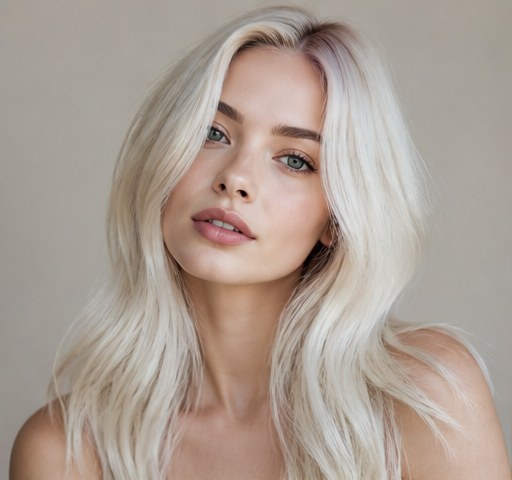
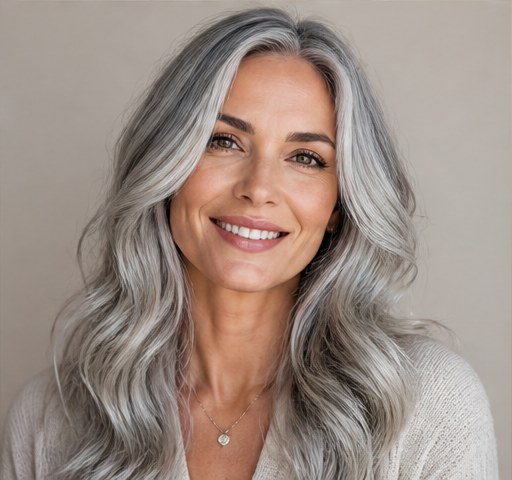
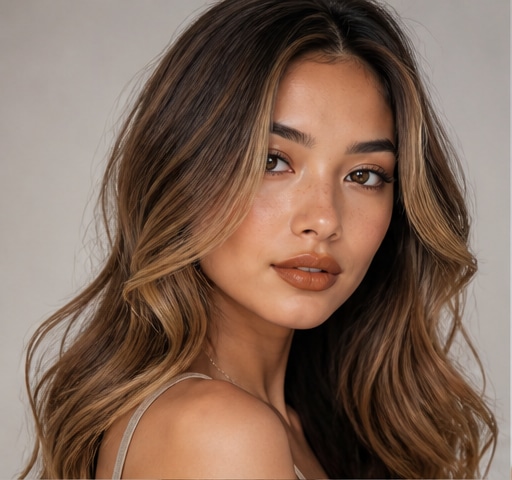
Anyone who lightens their hair benefits, but toner is essential for blondes, silver and grey hair, pastel colours, and any balayage or highlight that looks warmer than you wanted. Brunettes going lighter need a blue-based toner to kill orange, while platinum and icy looks rely entirely on toning to stay cool. Even rich brunettes use clear or natural-tone glosses to add shine. If your colour ever looks 'cheap' or muddy, an unbalanced tone — not the lightness — is usually the culprit.
At-Home Toning Safely
You can tone at home with demi-permanent toners or toning glosses, but go gently. Always do a strand test, mix exactly to the ratio on the box, and start with less processing time than you think you need — over-toning leaves a grey, ashy, or even lilac cast that's hard to undo. Apply to clean, towel-dried hair, watch the clock closely, and rinse the moment the tone looks right. Preview the target shade on your selfie in GlowMaxing first so you know whether you're aiming for icy, beige, or golden before you open the bottle.
Making Toner Last
Toner fades because it's deposit-only and washes out gradually, so protect it. Wash less often and with cool water, use a sulfate-free colour-safe shampoo, and layer in a purple or blue shampoo once or twice a week depending on your undertone. Heat styling, hard water, and chlorine all accelerate fading and re-expose brass, so a clarifying treatment before re-toning and a swim cap at the pool help. Most people re-tone every four to six weeks even if they don't re-lighten.
When to Leave It to a Pro
Big colour corrections, going platinum, fixing a green or grey mistake, or toning hair that's been box-dyed all belong in a salon. Professionals can read your exact level and undertone, choose between violet, blue, and natural bases, and adjust developer strength to avoid over-deposit. If you've already over-toned at home and your hair looks dull or muddy, a clarifying wash and a corrective gloss from a colourist is the safest fix. The cost is small compared with repairing a DIY tone gone wrong.
The quick checklist
- Identify your unwanted tone: yellow, orange, or red
- Match it to the complementary toner: purple, blue, or green
- Use toner for correction, purple shampoo for upkeep
- Strand-test and under-process to avoid a grey cast
- Wash cool and sulfate-free to make tone last
- Leave big corrections and platinum to a colourist
✦ Free to start✨ Try these looks on your own selfie with GlowMaxing →Upload one selfie and try any hairstyle, color or makeup look instantly with AI. Free to start.Download on theApp Store