 Try this styleon your selfie · free
Underpainting: The Makeup Technique for a Seamless Base
Published August 12, 2026
The pro technique of sculpting before foundation for a base that looks like real, dimensional skin.
What Underpainting Means
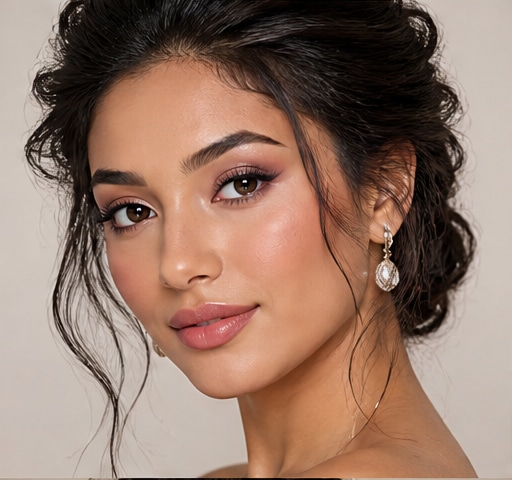
Underpainting is a technique borrowed from classical art and adopted by makeup pros, where you do your contour, blush, and sometimes highlight before your foundation rather than after. Instead of sculpting on top of your base, you build the shadows and warmth underneath it, then sheer foundation over the whole thing. The result is dimension that looks like it's coming from within the skin rather than sitting on the surface, because the foundation diffuses the color and blurs any harsh edges. It's the secret behind a lot of those impossibly seamless, lit-from-within bases you see on red carpets and in editorial photos. The logic makes sense once you try it: by placing structure first and veiling it, you get a face that reads as naturally sculpted rather than obviously made up, which is exactly the seamless effect everyone is chasing.
Why It Looks More Seamless
Traditional contouring on top of foundation can look harsh because the color sits on the surface, and any imperfect blending shows. Underpainting solves this in two ways. First, applying foundation over your contour and blush automatically softens and diffuses them, so even if your placement isn't perfect, the top layer blurs it into the skin. Second, because the structure is beneath your base, it reads as natural shadow and warmth rather than makeup, giving genuine dimension instead of stripes. This is especially flattering on camera and in person, where surface contour can look obvious. It also means you use less product overall, since the foundation carries and unifies everything. The seamlessness comes from that veiling effect, the same reason underpainting works in oil painting: layers of translucent color over a sculpted base create depth that direct application simply can't match.
How to Underpaint Step by Step
Start on bare, primed skin. Apply your cream contour where you want shadow, the hollows of the cheeks, the perimeter of the forehead, along the jaw, and the sides of the nose, and blend it well with a sponge or brush. Next, add cream blush on the apples or high on the cheeks, and a cream bronzer if you use one, blending each so there are no hard lines. You can even place a cream highlight on the high points now. Once your sculpting is blended on bare skin, apply a thin, preferably sheer-to-medium foundation over the entire face using a damp sponge in pressing, bouncing motions rather than dragging, which would wipe away your underpainting. Build coverage gradually and only where needed, letting the contour and blush glow through. Finish with concealer just where you need extra brightness, set lightly, and the dimensional, seamless base is done.
Choosing the Right Products
Underpainting works best with cream and liquid products, because they blend into one another and into the foundation seamlessly, whereas powders can grab and look patchy under a base. Use a cream contour a few shades deeper than your skin in a neutral, slightly cool tone so it mimics a real shadow rather than looking muddy or orange. Cream blush in a shade that suits your natural flush, and a cream bronzer for warmth, layer beautifully underneath. The foundation on top should be sheer to medium coverage, never full, because heavy foundation buries your underpainting and defeats the purpose, so choose something that lets dimension show through. A damp sponge is the ideal tool for laying foundation over the structure without disturbing it. Keep concealer minimal and reserved for targeted brightness after the foundation, so you don't flatten the dimension you just built underneath.
Who Underpainting Suits Best
Underpainting flatters almost everyone but shines for certain goals. It's ideal if you love a natural, skin-like finish with subtle dimension rather than sharp, obvious contour, and it's especially good for mature skin, because building structure under a sheer base looks softer and less powdery than surface contouring that can settle into lines. It's also forgiving for beginners who struggle to blend contour seamlessly, since the foundation does much of the blending for you. It works across all skin tones as long as you choose a contour shade that reads as a true shadow on your complexion. The one consideration is oily skin, where cream-heavy layers may need more setting to last, so set strategically and use a setting spray. For anyone wanting a base that looks effortlessly sculpted and real, underpainting is genuinely worth learning.
Set It So It Lasts
Because underpainting is cream-heavy, locking it in keeps it from sliding through the day. After your foundation goes over the structure, add any concealer for brightness, then set strategically rather than all over: press a thin layer of finely milled powder into the T-zone, under the eyes, and anywhere you get oily, leaving the cheeks more dewy so you preserve that lit-from-within glow. A setting spray over the top fuses the layers and removes any powdery look while keeping the seamless finish. If you want to reinforce the dimension, you can tap the tiniest bit of powder contour and blush over the top to echo the underpainting, but it's optional and easy to overdo. Done right, a set underpainted base lasts all day and keeps that real-skin, sculpted-from-within look that makes the technique so beloved by makeup artists.
The quick checklist
- Do contour, blush, and highlight before foundation, not after
- Use cream and liquid products so everything blends seamlessly
- Choose a neutral, slightly cool contour to mimic a real shadow
- Blend your sculpting fully on bare skin before applying base
- Press sheer-to-medium foundation over the top with a damp sponge
- Build foundation coverage gradually so dimension glows through
- Keep cheeks dewy and set only the oily zones
- Finish with a setting spray to fuse the cream layers
✦ Free to start✨ Try these looks on your own selfie with GlowMaxing →Upload one selfie and try any hairstyle, color or makeup look instantly with AI. Free to start.Download on theApp Store