 Try this styleon your selfie · free
The Wolf Cut, Explained: Shag Meets Mullet
Published May 8, 2026
Choppy layers, volume on top, wispy ends — the edgy, low-effort cut that grew out of the shag and the mullet.
What exactly is a wolf cut?
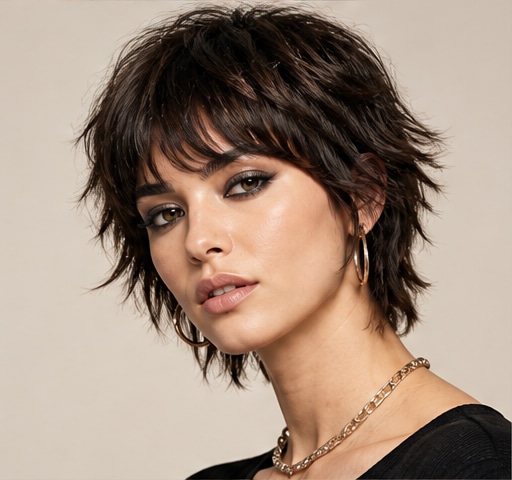
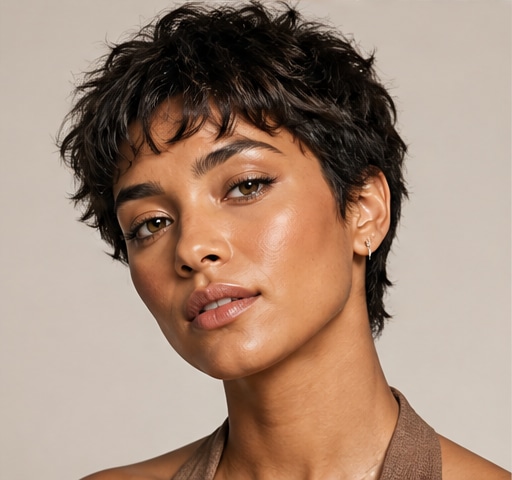
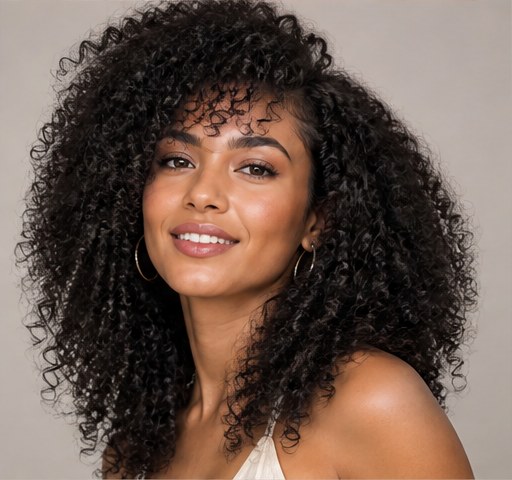
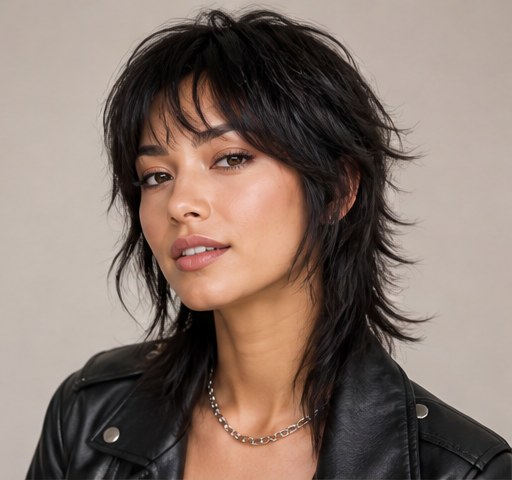
The wolf cut is the love child of a seventies shag and a modern mullet: heavily layered through the crown for volume, with longer, textured, wispy ends. The result is effortlessly undone, a little rebellious, and surprisingly flattering because all that layering adds movement and frames the face. It works on straight, wavy and curly textures, and it suits both long and short lengths.
Who it flatters
Because the layers create shape and volume up top, the wolf cut is a gift for fine or flat hair that needs body. It also balances a longer face by adding width through the sides, and it lets natural curls and waves do their thing without fighting them. If your hair is very thick, your stylist will thin and texturise the ends so it does not turn into a pyramid.
How to ask for it
Ask for a layered shag-mullet hybrid: short, voluminous layers around the crown, gradually getting longer toward the back, with heavily textured, feathered ends. Add curtain bangs or a curtain fringe to soften the front. Be specific about how disconnected you want it — a softer wolf cut blends, while an edgier one keeps a clear contrast between the short top and long ends.
Styling for that lived-in look
The wolf cut is meant to look undone, which is good news for your morning routine. Apply a texturising spray or mousse to damp hair, rough-dry with your fingers, and scrunch. For more definition, twist sections and hit them with a diffuser or a quick wave with a curling wand, leaving the ends out. The goal is piecey separation, not polished smoothness.
Maintenance and grow-out
This is one of the lowest-maintenance cuts you can get because it is designed to look messy. As it grows, the layers soften and it gradually becomes a long shag, which is still on-trend. Most people refresh the shape every two to three months. A little texturising spray and dry shampoo will carry the style between washes.
Products that make it work
Reach for a light texturising or sea-salt spray for grit, a flexible-hold mousse for volume at the root, and a tiny amount of hair oil on the very ends to stop them looking dry. Avoid heavy creams and waxes — they kill the airy, separated texture the wolf cut depends on. A wide-tooth comb and your fingers are your main styling tools.
Is it right for you?
If you want a cut that looks intentional but takes minutes, hides growing-out awkwardness, and reads cool without trying, the wolf cut delivers. If you prefer sleek, polished, all-one-length hair, it will fight you. The safest move is to try the shape on your own face first with AI, then bring that preview to your stylist.
The quick checklist
- Ask for layered crown volume + long wispy ends
- Add a curtain fringe to soften the front
- Style with sea-salt or texturising spray, scrunch
- Diffuse curls or wand a few face-framing pieces
- Refresh the shape every 8–12 weeks
- Skip heavy creams — they flatten the texture
✦ Free to start✨ Try these looks on your own selfie with GlowMaxing →Upload one selfie and try any hairstyle, color or makeup look instantly with AI. Free to start.Download on theApp Store